
What Type Of Machinery Is Required For A Sauce And Tomato Ketchup Production? Read To Know

Tomato ketchup is used worldwide. From the restaurants to households, the demand for tomato ketchup is growing at a rapid rate. So to open a profitable business, it’s important to invest in sauce and tomato ketchup manufacturing plants. You can easily set up the machine for processing tomatoes to make sauce or ketchup and manufacture hygienically packed products with proper taste, color and texture. The process of production involves various processes from collecting the raw material to final packaging. Whether you want to set up a small manufacturing unit or a fully equipped unit, it’s necessary to understand the requirements. Each step requires special equipment for the hygiene, consistency and quality of the product. The modern food processing unit is designed to run the operations in an efficient manner and maintain the standards of the industry. But the total investment is totally dependent on production capacity, automation level, quality of machines and compliance requirements. Small-scale units require less capital investment, but large-scale units require a larger investment as they offer more output in an efficient manner. It’s essential to understand the process of production for proper estimation of cost. Here is the overview of the sauce production process:- Machinery Required For The Processing Of Sauce And Tomato Ketchup Washer And Sorting Conveyor This machinery is used to wash tomatoes to remove dirt and impurities. It allows you to remove the raw tomatoes and maintain hygiene. With this, the raw material of high quality enters the process line. Crusher This breaks down the tomatoes into smaller pieces before the process of pulping. It works in a manner to improve the efficiency of extraction, support smooth processing and prepare the tomatoes for pulp extraction and further sauce production. Pulper It separates the seeds, peels and fibrous material from the extracted pulp and produces the smooth tomato puree. The main ingredient in the processing of sauces, ketchups and other tomato-based products. Cooking Vessel Used to blend tomato pulp with salt, vinegar, spices, while providing controlled heating. It helps in thickening, cooking, reducing, and developing flavours to achieve the consistency of ketchup. Pasteurizer It eliminates the harmful microorganisms and trapped air in the product. It is helpful to enhance the quality of the product and facilitate safe packing in an efficient manner. Sauce Filling Machine It is specially designed for high viscosity products, used to fill ketchup in bottles, pouches and jars. This improves the speed of production and minimizes the wastage of products. Labelling Machines These machines securely seal the bottles and automatically apply the seals to them. They enhance the efficiency of the product, maintain freshness, ensure leak-proof seals and create a retail-ready appearance. Major Cost Components The following are the cost components involved in setting up a tomato ketchup and sauce plant:- Land And Infrastructure Cost Small plants can easily operate in limited space, but large plants need more space for processing, utilities, storage and packaging. Cost Of Machines And Equipments Machines of high quality improve the operations and safety. The price of a machine is totally dependent on material quality, capacity and automation level. Fully automatic plants cost a lot but decrease the dependency on labour and improve efficiency. Raw Material Cost It includes the cost of buying tomatoes and other essential ingredients. The seasonal availability and quality of tomatoes influence the production cost. Workforce And Labour Cost It is based on the level of automation of ketchup-making machines. Semi-automated plants require more labour, but fully automated plants require fewer labourers. Operational And Utility Cost It includes the cost of water, electricity, fuel and maintenance. Machines consume significant energy, making this energy-efficient equipment a wise investment. Conclusion Setting up a tomato ketchup manufacturing industry provides you with the best opportunity because of the growing demand for tomato ketchup among consumers. Its costs vary on various factors like machinery, level of automation, capacity and infrastructure. So you need to do proper planning for the wise investment to start a profitable venture. To get superior quality sauce and tomato ketchup, opting for the best machinery can be an excellent choice. NK Dairy Equipment have been actively engaged in providing versatile machinery options for high-quality food preparations. Our expert, Himpreet Kaur holds precise knowledge for providing different equipment for the production of dairy products and other food items. FAQ’S What will be the production capacity of the sauce and tomato ketchup manufacturing plants? The production capacity is totally dependent on your budget and market demand. Is it possible that the same ketchup can produce other sauces? Yes, the same sauce can produce other sauces like pizza and pasta sauces, chilli sauce and other condiments.
Wondering How Proper Animal Feeding Helps In Dairy Production? To Get Those Tips, Read The Blog

Modern practices of dairy farming, the feeding of cattle, are not only dependent on the water or the fodder given to them. To give balanced nutrition in a more scientific and efficient way, the advanced feeding methods are very helpful. The good feeding practices not only help to improve the health, lifespan, and energy of animals but also help in increasing milk production. The quality and quantity of milk production totally depend on the fodder that we feed to the animals. If the proper feeding is not done, then the animals may face weakness, digestion problems, and, most importantly, they don’t receive the proper and balanced nutrition. Green fodder feed Green fodder is very beneficial for animal feeding, especially cow feeding, as it is a good source of minerals and vitamins, helps to improve the immune system, digestion and milk quantity. The common fodder which comes under the category of green fodder is berseem, maize, and lucerne. Dry fodder feed Dry fodder supports proper, healthy digestion and provides fibre. These help the dairy farmers to increase the high-yielding of cows so that they can produce proper milk. Fodder comes under the dry fodder, which includes dry grass, hay, and wheat straw. Minerals and supplements Vitamins and minerals help to strengthen the bones, support reproductive health, and improve immunity. For the high vitamins, minerals and proteins, you have the option of corn meals, bran mixtures, soybean meal and other supplement products also. Proper feeding is helpful for increasing production. Feeding with proper and balanced nutrients is very effective for the better quality and quantity of milk. When the animals receive sufficient amounts of nutrients in proper quantities, then their body performs all the functions with efficiency. Some of the additional benefits of proper feeding are healthy and good body conditions, improved immunity of animals, high yield of milk and proper fat content in milk. Better feeding on a regular basis helps in maintaining the proper consistency of milk production. What are the benefits of modern dairy equipment in feeding management? As day by day, technology is expanding in almost every field, similarly, in the field of dairy farming, technology has also taken its place. Modern farming tools used in modern farming practices make the process of feeding faster, more accurate and easier; also, these kinds of tools are very useful for farmers to reduce wastage of feed, save labour, and maintain a proper level of nutrition for cows. Conclusion The most important part of successful dairy farming is proper management of cow feeding. The balanced nutrition level given to animals improves animal health and increases milk production. With the help of technology that introduces equipment for dairy farming, the proper management of feeding becomes easier. These modern tools not only help the farmers to save time or labour but also help in providing proper nutrition to cows. Our company, “NK DAIRY EQUIPMENTS”, has high-quality equipment only because of the support of “Mrs Himpreet Kaur,” speeding up your dairy farming tasks with productive and precise results. FAQ’S Why is only the cow feeding important? Cow feeding is important because it helps in improving milk production, better digestion in animals and overall production. Why is water important for cows? Water is important because it supports the immune system of cows in better digestion and maintains body temperature.
How Dairy Farmers Are Reducing And Reusing Resources For Maintaining Sustainability?

In 2026, the dairy farmers are adopting a new change in maintaining environmental sustainability, along with reducing their input costs. Through smart work, they have been utilising resources on the farm, such as wastewater, manure and byproducts, in a comprehensive manner, resulting in increased operational costs and more profit. Along with this, opting for modern dairy processing machines such as milk coolers and milking machines has become a major support for dairy farmers to prevent high utility bills, thus saving on energy resources. In order to prevent any food waste, the dairy farmers have been providing the byproduct materials to their cows in an essential manner. Along with this, ensuring to maintain the water retention on their lands by efficiently reducing ploughing in another way, through which dairy farmers have been maintaining environmental sustainability in a significant manner. If you are willing to know more regarding the specific ways through which dairy farmers have been saving on essential resources on the farm, then make sure to go through this blog, depicting the same. Key methods dairy farmers use to save resources on the farm. Saving on farm resources such as wastewater, manure, land and byproducts can significantly help in maintaining environmental sustainability while increasing operational flow. Along with this, dairy farmers can get numerous benefits in terms of reducing utility bills and cutting down on the cost of buying new resources for cow and crop health. Considering this, go through the points mentioned below, highlighting the specific methods that dairy farmers are using to save resources in an effective manner. Effective wastewater management: In 2026, the dairy farmers will ensure to use the wastewater in an effective manner, including irrigating the crops in their field, which can significantly help in improving their crop health. Along with this, the used water is associated with the use of cleaning the barns by the dairy farmers, hence ensuring the proper use of water while preventing its wastage. On top of all, the water used for cooling the milk in the milk coolers can also be repurposed for providing the water to cows for drinking. Opting for energy-efficient equipment: Dairy farmers have been actively using energy-efficient equipment on their farms to promote better cow health, along with increasing milk production. This includes the use of LED lighting, which can significantly help in providing natural light to the cows for maintaining their reproductive health, without increasing the utility bills. Along with this, other cooling systems can play a crucial role in mitigating the heat stress in cows without consuming much energy. As a result of this, dairy farmers can effectively witness the reduced utility bills without compromising the quality of milk production. Converting manure into renewable energy: This is the most significant method of maintaining environmental sustainability without disrupting the operational flow of dairy farms. In 2026, the dairy farmers are using the manure as a natural fertiliser by applying it over their crop field instead of using chemical fertilisers, thus saving their operating costs. Along with this, manure is also converted into renewable energy, making it efficient for operating milking machines, ventilation and other lighting systems in the dairy farms. Conclusion Saving up on the crucial resources on the farm, such as water and manure, can significantly help in reducing the operational costs, along with increasing the crop yield. The above-mentioned points vividly demonstrate the specific ways dairy farmers have been adopting to utilise the resource by reducing or reusing it in a significant manner. Along with this, ensuring the use of energy-efficient dairy processing machines, such as milking machines, can play an integral role in cutting down on high operating costs and utility bills. Considering this, if you have been looking for energy-efficient dairy processing machines, then make sure to consider NK Dairy Equipment, which provides high-quality and energy-efficient dairy equipment, reducing the excessive use of energy without disrupting your operational flow. Our expert, Mrs Himpreet Kaur, ensures to provide you with superior quality dairy processing machines, including modern features. FAQs Manure plays a crucial role in increasing the capacity of your crop soil to hold water, thus improving its texture and ability to produce more effective results. Water can be recycled more than four times with the aim of irrigating the crops or providing drinking water to the cows in an essential manner.
Why Do Modernised Dairy Plants Need Reliable Equipment Partners?

Modernised dairy plants, which increasingly rely on high-speed automation and complex integrated systems for processing and packaging, make it necessary to connect with dependable equipment partners to ensure continuous operation and profitability, along with the growth as the dairy production shifts towards large capacities and greater efficiency. This is possible by utilising dairy processing equipment. The industry has achieved huge growth because of its dependence on creating robust machinery. A single small failure can stop the entire production line, leading to significant financial losses and ruined batches. This makes choosing a dairy equipment partner most essential for modern dairy plants. Let’s know about the major reasons behind choosing the most reliable dairy equipment partners in this blog. Key reasons for requiring reliable equipment partners include: Automated plants depend on continuous, seamless operations. Reliable equipment partners provide machinery with long lifespans, minimising the frequency of downtime. Moreover, dependable partners offer smooth after-sales support, including readily available spare parts in case of any emergency situation and skilled technicians to fix issues immediately after they arrive. This most effectively reduces the downtime, which is most essential for the dairy industry, as the raw milk quickly decays and must be cooled immediately to prevent any spoilage. Modern dairy processing is focused on hygiene and food safety. The most trusted suppliers only manufacture the equipment with the best food-grade stainless steel. The advanced, automated machinery designed by the reputed partners includes features like automated clean-in-place systems. This automated system ensures the highest standard of cleanliness and also eliminates the risk of any contamination that could be possible through manual cleaning. The automated system obviously reduces the dependence on manual labour, which reduces the labour costs, and due to its advanced technology for creating consistent dairy products in every batch, it also reduces the spoilage of the food, which enhances the overall return on investment. A reliable partner ensures that the machinery, ranging from pasteurisers to homogenisers, is optimised for energy efficiency. Dairy processing plants have unique needs depending on their scale, and product mix, like paneer, ghee, curd and more. Experienced equipment manufacturers often offer solutions that are highly flexible and can be customised to fit the specific production goals. Whether it is about integrating new machinery into the existing setup or completely modifying a new large-scale facility, the professional partner ensures the compatibility and scalability that is best for your business growth. Modern plants need a partner on whom they can trust completely. Reliable partners regularly keep their machinery updated according to the latest technological advancements and prioritise IoT-enabled systems that can predict equipment failure before it happens. This proactive approach directly prevents downtime and reduces the operational stress that would have occurred in the case of equipment failure. Conclusion Equipment procurement is the most essential investment for modern dairy plants to ensure operational continuity and product safety. Choosing reliable equipment partners is also essential because they offer high-performing machinery, consistent technical support and innovative technology that directly results in increased yields, reduced operational downtime and consistent high-quality product in every batch. Finally, building a strong partnership with a trusted dairy equipment manufacturer is the foundational step towards your business success. By partnering with NK Dairy Equipments, we ensure food safety and strongly encourage long-term profitability with the consistent quality of food products in every batch, as ensured by our expert Ms. Himpreet Kaur. FAQs Modern dairy plants often require equipment that is capable of handling high volumes of raw milk that is highly likely to decay. Cheaper equipment is not as reliable for handling and will lead to production losses and cause contamination to the food product. Yes, efficient machinery reduces energy consumption, reduces waste and requires less frequent maintenance, which directly reduces the operational costs.
How Can Technology Help Manage The Herd More Effectively?

Modern livestock management is undergoing more revolutionary changes, shifting from manual labour to more precise methods. By integrating IoT, artificial intelligence, and technology, you can manage the hens more effectively by enhancing the overall health of the animals, improving productivity and streamlining the workflows. These technologies include smart wearables, automated feeding and virtual fencing, which allows for data-driven decisions that increase productivity, reduce the labour costs by up to thirty per cent, and improve animal welfare. Let’s talk in detail about how technology is helpful in herd management in this blog. Here are the key ways technology improves herd management: One of the most significant impacts of the technology is the ability to monitor the herd behaviour 24/7. The use of wearable sensors such as smart collars, ear tags and rumen boluses tracks vital signs, activity levels, feeding patterns and rumination behaviour. AI-driven software analyses this data to detect any subtle changes in the behaviour of the animal and their temperature that alert the farmers towards any potential health problems, such as infections, before the physical symptoms appear. This capacity for early intervention reduces the veterinary costs, decreases mortality rates and significantly reduces overall animal health. Technology automates repetitive, time-consuming tasks, allowing producers to optimise labour and focus on strategic management. Automated feeding systems can deliver precise, tailored rations to individual animals, reducing feed waste and improving nutritional efficiency. In the same way, robotic milking systems enable voluntary milking, giving the cows more freedom, reducing the stress and collecting detailed data on the milk nutritional value and quality. This equipment leads to a thirty per cent reduction in the labour costs for slime operations, making them an essential tool for large herd management. GPS tracking technology is transforming extensive grazing operations. Satellite-connected IoT sensors allow farmers to monitor animal movements across expensive areas, providing real-time location data. This technology enables virtual fencing where digital boundaries are set, and alerts are sent immediately if the animals move away from the group, thus preventing loss and managing grazing areas to prevent overgrazing. Moreover, sensors can monitor barn environments, managing temperature and air quality, which helps to promote a better living environment and boosts productivity. The cluster of data from the drones, sensors and digital databases provides a comprehensive view of herd health and production data. This data is organised through a specialised herd management app, often accessible on mobile devices. AI algorithms help analyse this data to help farmers make informed decisions about breeding and nutrition. This information ensures better traceability, better treatment and enables detailed documentation of vaccinations. The future of herd management is heavily focused on sustainability. Precision technology helps reduce the environmental impact of livestock farming, projected to grow significantly, and edge computing will allow for even faster and more precise management of animal welfare, even in remote locations. Conclusion Precision livestock farming technologies are transforming herd management from a reactive to a proactive approach, significantly boosting operational efficiency and animal welfare. By adopting wearables, IoT sensors and AI-driven analytics, producers gain comprehensive real-time insights into individual and group health, leading to lower veterinary costs and advanced productivity. Moreover, automation in feeding and milking reduces labour shortages while smart tracking optimises resource use. Finally, this technological integration ensures a more sustainable and profitable future for agricultural operations by maximising the herd’s performance. NK Dairy Equipment is your specialised partner in providing the best automated tool for the milking industry, providing you with the efficiency that is not possible in labour work, which is made possible under the guidance of our expert Ms. Himpreet Kaur. FAQs Sensors monitor daily activities, the temperature of the animal and ruminating time. The AI algorithm of the technology detects any abnormal patterns in the behaviour and eating habits to proactively detect any disease or infection, allowing for early intervention. Yes, wearable sensors measure activity levels and track movements, which are at their highest during the heat. AI analyses this data to predict the actual breeding time, improving conception rates and shortening breeding cycles.
Why New FSSAI Labelling Rules Matter For Dairy Plant Owners?

While looking for the best dairy processing equipment for your dairy plants, the inclusion of modern features is not the only factor that should be considered. In fact, it is necessary to look for new FSSAI labelling rules as well that are significantly aligned with consumer safety and health standards. Such labelling rules include the nutritional value, along with specific milk product logos that can efficiently help in fulfilling the consumers’ needs and nutritional gaps. While selecting the dairy processing machines, such as the khoya machine, milk making machine, along with packaging the milk products, dairy plant owners should prioritise the inclusion of new FSSAI labelling rules with the aim of preventing consumers from contaminated milk products. This holds significant importance for the dairy plant owners so that they will get to know about the specific dairy machine for processing different dairy products without compromising their quality and safety. If you are willing to know more regarding the importance of new labelling rules for dairy plant owners, then make sure to go through this blog in an essential manner. Importance of new FSSAI labelling rules for dairy plant owners. New FSSAI labelling rules hold utmost importance for dairy plant owners in terms of providing a guarantee regarding the nutritional benefits of the processed dairy products in an essential manner. Dairy plant owners play an integral role in producing milk products and packaging them with precision and accuracy to meet the consumer’s health standards. Therefore, it is necessary for them to align with the new FSSAI labelling rules. However, to know more regarding its importance for fairy plant owners, go through the points mentioned below depicting the same. Provide accurate guidance to consumers: One of the major importance of following the new FSSAI labelling rules for the dairy plant owners includes the mentioning of specific nutritional information, which significantly depicts different nutrients added to the specific milk products. This can efficiently help in guiding the consumers regarding the nutritional value of the particular milk product, thus providing them with accurate information regarding the inclusion of different nutrients in the milk products, and preventing them from being misled. Prevent strict penalties: Another major importance of following the new labelling rules for the dairy plant owners is the prevention of strict and legal penalties. If a dairy plant owner does not follow the new labelling rules, then they can be charged with heavy penalties, thus destroying their reputational image as well. However, following all the necessary labelling rules can prevent them from such circumstances in an essential manner. Fosters customers’ trust: Winning customers’ trust is one of the strongest pillars for dairy plant owners in terms of making them run in this competitive world. Therefore, if the dairy plant owners ensure to follow all the new FSSAI labelling rules, including the mentioning of nutritional value, use of specific ingredients and different product identification, then customers would foster their credibility in the specific dairy plant. This can even make them feel like their health concern is prioritised by the inclusion of all the labelling rules in the packaging. Conclusion New FSSAI labelling rules hold major importance in terms of educating consumers regarding the nutritional value of the specific milk product, along with providing them with a brief product description. This built their trust in the specific dairy plant industry in an essential manner. The above-mentioned points vividly demonstrate the importance of following the new labelling rules for the dairy plant owners in terms of preventing them from legal penalties, along with providing safe and tested milk products to the consumers. Along with this, make sure to engage with the best dairy processing manufacturer that understands the necessity of all new labelling rules. If you are looking for one in India, then you can engage with NK Dairy Equipment, following all the safety standards for the prevention of contamination in dairy products. Our experts, Mrs Himpreet Kaur, ensure to guide you regarding the necessary food safety standards for providing high-quality dairy processing machines to the dairy plant owners. FAQs The inclusion of QR codes in all milk product packaging includes the information of all the labelling requirements in different languages so that consumers can better understand. If the dairy plant owner does not follow the new labelling rules, then it can force them to pay heavy fines, along with the suspension of the FSSAI license in an essential manner.
Worried About The LPG Shortage In Dairy Industries? Here Are Some Best Alternatives To Keep Operations Running

Have you ever wondered about the impact of the current LPG shortage on dairy industries? If not, then it is necessary to vividly understand the harmful impact of LPG shortage in terms of creating a disruption in the process of heating the milk. Along with this, the sterilisation of dairy equipment is also impacted, thus creating an obstacle in the smooth operations of dairy industries. This is where dairy industries need to adapt to other alternatives that can play a major role in resuming the smooth operation of the processing of dairy products. Make sure to use PNG, Induction-based heating and biogas that can significantly help in heating the milk with the aim of removing all the bacteria, along with sterilising the equipment in an effective manner. Also, it is crystal clear that there’s a high need for dairy industries to diversify their energy sources with the purpose of keeping their operations running smoothly. To know more regarding the alternatives for LPG in dairy industries, make sure to go through this blog in an essential manner. Four best alternatives for LPG in dairy industries. Due to the LPG shortage in India, most of the dairy industries have witnessed a sudden downfall in their operations, thus making it difficult for them to make a high profit. This is where the best alternatives to LPG can play an integral role in terms of keeping the operations running. Considering this, go through the points mentioned below, highlighting the same in a thorough manner. Electric and Induction-based heating: One of the best alternatives to LPG includes the electric and induction-based heating, which is significantly used for heating milk in a precise manner in the dairy industries. The major benefit of opting for induction-based heating is that it is cheaper than LPG, which is costly nowadays in India. You can use electric/ induction-based heating for pasteurisation and other heating requirements in the process of producing dairy products. Small or medium-sized dairy industries can opt for this alternative with the purpose of keeping their operations running. Biogas from cow dung: Another best alternative to LPG in dairy industries include the use of converted cow dung and other waste in dairy farms into energy. This converted energy can be significantly used in fulfilling the essential heating requirements of dairy industries with the aim of producing dairy products in a precise manner. This can be the best choice for dairy farms with more than a hundred cattle, thus providing a cheap and cost-effective solution. Solar thermal energy: Dairy industries can even opt for production of what through the smarter technologies involved in solar thermal energy. This can significantly help with the process of milk pasteurisation in the dairy industry, with the purpose of producing different dairy products. Along with this, sterilising the dairy equipment can be done in an efficient manner in order to resume operations in the dairy industry. For the dairy industry’s location in the solar regions, this alternative would be the top choice. Use of firewood: Many dairy industries in India have been currently using firewood furnaces to fulfil the heating requirements for the short term. Firewood can be the best alternative to LPG in terms of completing the essential heating step required for the production of dairy products. Rural dairy industries have been actively using firewood for pasteurisation and heating the milk in an essential manner. Conclusion LPG shortages have created a great buzz in the dairy industry in terms of disrupting the operation of heating the milk in a precise manner. Therefore, choosing the best and affordable alternatives to LPG storage, such as biogas, solar thermal energy and induction-based boilers, can play an integral role in the precise production of dairy products. The above-mentioned points vividly demonstrate the best alternatives that dairy industries can opt for. Also, make sure to engage with the best dairy equipment supplier in order to adapt the equipment to different energy sources for the production of dairy products. If you have been looking for the best dairy equipment supplier, make sure to engage with NK Dairy Equipment in India. Our expert, Mrs Himpreet Kaur, makes sure to provide you with high-quality dairy equipment that can align with different energy sources. FAQs Yes, it is important to thoroughly check the load capacity of your dairy industry before opting for induction-based heating with the purpose of getting the precise results. Dairy equipment suppliers can significantly help in adding the new technology and features to your current dairy equipment, with the aim of using other alternatives precisely.
Why Dairy Equipment Suppliers Hold Major Importance For Dairy Farms?

Back in the time when there was less innovation in the dairy industry, the dairy farmers underwent various struggles in terms of milk extraction. Due to manual labour in dairy farms, the risk of contamination was high, along with this, the productivity was significantly impacted. However, in today’s times, the dairy industry has developed rapidly, which has become a boon to many dairy farms. The inclusion of different dairy equipment has eased the lives of many farmers by reducing the burden of performing manual duties while extracting milk. With the help of milking machines, the farmers can easily extract the milk without the need to rely on the shoulders of labourers. Furthermore, dairy farms can get exceptional and effective benefits by engaging with the reputed dairy equipment suppliers to ease their regular struggle. To know more regarding the importance of dairy equipment suppliers for dairy farms, go through this blog in an essential manner. Importance of a dairy equipment supplier for dairy farms. Due to an ease in milk extraction and increased productivity, dairy farms can effortlessly rely on dairy equipment suppliers. Considering this, go through the points mentioned below, highlighting the importance of dairy equipment suppliers for dairy farms, so keep reading. Preserves milk quality: Dairy equipment suppliers excel in providing farmers with chillers that can significantly help them in storing the milk efficiently. By engaging with the best dairy equipment suppliers, the farmers can ensure that their milk will remain preserved in a hygienic environment without coming into contact with any type of bacteria. Chillers are made up of stainless steel that can efficiently help in protecting the milk quality, thus promoting safety and hygiene. Provides high revenue: Manual labour can negatively impact milk production, which can even result in lower revenues. However, by engaging with dairy equipment suppliers, the farmers can get access to different dairy processing machines that are highly durable. Due to such machines, the farmers can manage their milk production, which can result in significantly higher revenue. By producing a large quantity of milk without impacting its quality, dairy farms can get maximum profit through the markets. Smooth operational flow: Dairy equipment suppliers provide high-quality dairy machines that excel in preparing different dairy products such as ghee and khoya. Due to their durable and high-quality features, the chances of machines getting damaged are reduced, thus saving the costly and frequent repairs. Along with this, with the comprehensive utilisation of dairy processing equipment, the wastage of resources is reduced, thus providing a smooth operational flow. The farmers can continue to process dairy products without any disruption or trouble. Enhanced productivity with low labour cost: The inclusion of dairy equipment in the dairy farms can significantly boost their milk productivity by eliminating all the hassles that the farmers were facing while extracting milk with the help of labourers. Along with this, the need for labourers gets reduced as almost all the tasks are efficiently performed by different dairy processing machines. Therefore, the farmers can witness a hike in their productivity by relying on several dairy equipment items. Conclusion Dairy processing machines provided by dairy equipment suppliers can play a crucial role in enhancing the productivity of specific dairy farms, along with improving milk quality. The above-mentioned points vividly demonstrate the importance of engaging with the best dairy equipment suppliers for your dairy farms in terms of increasing your output in an effective manner. If you are looking for the best dairy equipment supplier in India, then make sure to engage with NK Dairy Equipments. Our expert, Mrs. Himpreet Kaur, ensures that you hand-pick the right type of dairy processing machines that truly align with your specific needs in order to manage your productivity. FAQs Make sure to analyse the specific brand’s reputation before engaging with them. Along with this, ensure that the particular suppliers are providing any maintenance service or not. Dairy equipment suppliers provide different milking equipment such as milking machines, vacuum pumps and pulsators with high precision.
How does Automated Dairy Processing Technology Provide Significant Benefits to the Manufacturers? Read to Find Out
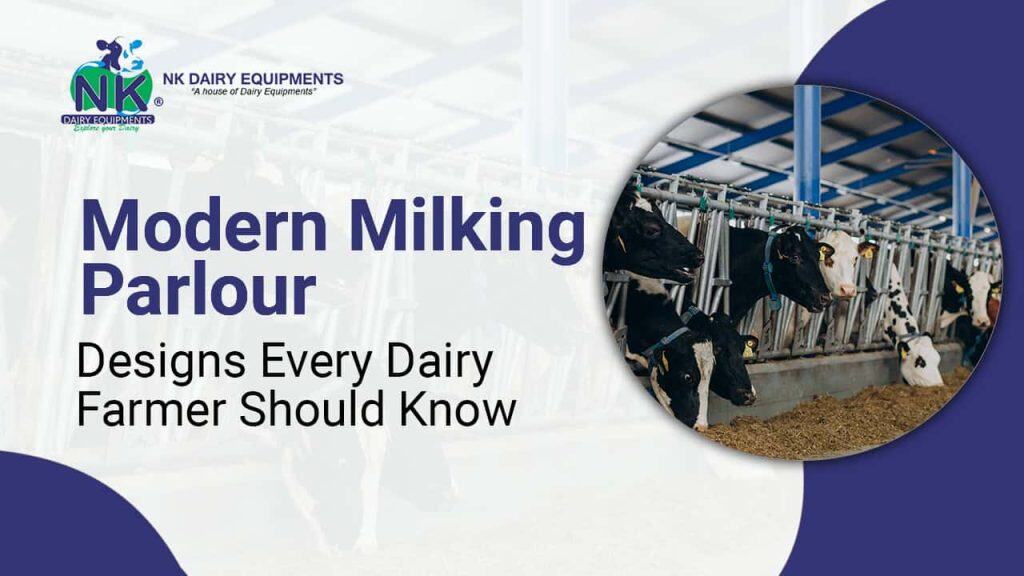
In order to produce the dairy products, most of the manufacturers have opted for automated dairy processing technology to get the profitable benefits. The automation in dairy processing products has effectively overcome the traditional methods of preparing dairy products. Such automation has become a boon to the manufacturers in terms of easing their complex tasks of preparing dairy products and reducing human error. Due to the automated dairy processing technology, manufacturers can witness the amazing benefits, which include increased operational efficiency and profitable results. Therefore, choosing automation in dairy processing products can be a wise decision for the manufacturers, hence removing the complexities involved in the preparation of dairy products. In order to get familiar with the benefits of automation in dairy processing products, read this blog in an attentive manner. Benefits of automation in dairy processing products for manufacturers. Manufacturers can get amazing benefits from the automation in dairy processing products by providing them with higher output and effectively increasing their productivity. To know more regarding this, go through the points mentioned below in a thorough manner. Exceptional product quality: The automation in dairy processing products allows the preparation of dairy products in an enhanced and exceptional manner. The dairy products produced by the dairy processing machines are of enhanced quality, proper texture and flavourful taste. Automation includes the accurate precision parameters, such as temperature and pH level, in order to prepare an enhanced quality product. This can significantly reduce resource wastage, hence beneficial for the manufacturers. Inclusion of food safety standards: Due to the automation in dairy processing products, the need for human intervention is effectively reduced, which can prevent the risk of contamination. Due to the production of such hygienic dairy products, customers can build their trust with the specific manufacturers, therefore, providing benefits to them. Along with this, automated dairy processing technology involves proper sanitation, which ensures that the dairy products are produced in a safe and hygienic place, hence providing benefits to the manufacturers in terms of gaining customers’ reliability. Effectively protect the workers: Automation decreases the need to perform repetitive or hazardous tasks, which can prevent the workers from injuries. As a result of this, the workers remain protected throughout the process of producing dairy products. This can even allow the workers to focus on high-value tasks that can extract the maximum profit for the manufacturers. Accelerate productivity: Due to automation, the dependency on manual labour has been reduced, along with their wages. Along with this, the unnecessary wastage of resources is also reduced as automation allows the usage of resources without any wastage. Consequently, this can reduce the operational costs, hence increasing productivity. Conclusion Automation can improve the process of producing dairy products by effectively eliminating the need for human error and automating repetitive tasks. Automated dairy processing technology includes the enhanced quality of dairy products with the perfect texture, consistency and taste. Along with this, meeting the food safety standards due to the automation in dairy processing products can significantly boost the reputation of the specific manufacturer. The above-mentioned points clearly demonstrate the benefits of automation in dairy processing products for the manufacturers, hence increasing their operational efficiency. Considering this, NK Dairy Equipments offers automated dairy equipment that can effectively help in easing the complex tasks of producing dairy products. The entire process of the production of dairy products is apparently monitored by Mrs. Himpreet Kaur, hence providing the optimum results at the end. FAQs Yes, automation can significantly help in allowing manufacturers to continue production even with a few workers, as it helps in reducing repetitive and hazardous tasks. 2. Does automation provide energy consumption solutions? Yes, automation helps in reducing power consumption without impacting the product quality. Due to the automated systems, you can witness the preparation of dairy products without the utilization of much energy.
Are You Familiar With The Concept Of Rethinking Water? Let’s Get Familiar With It!
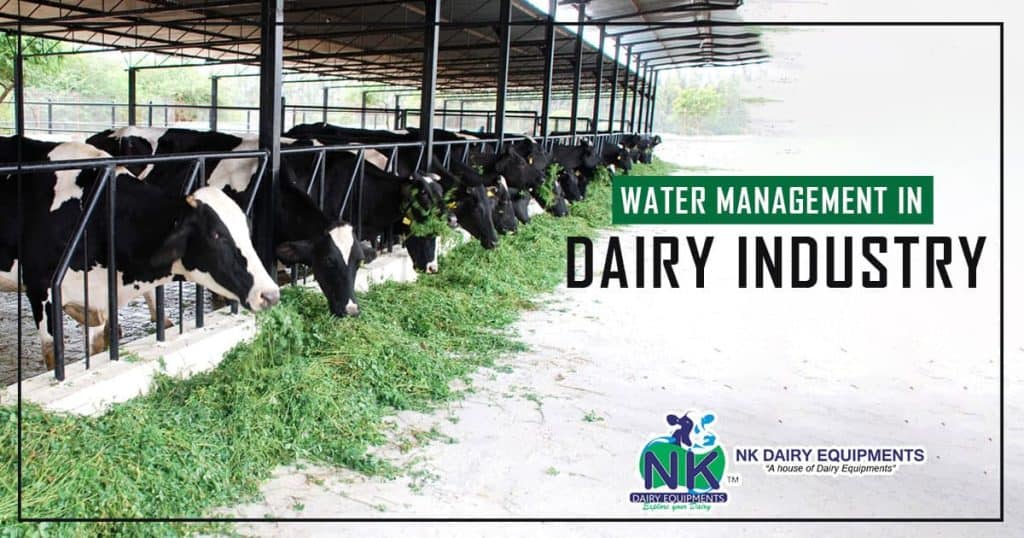
The concept of rethinking water refers to an innovative water management approach. Sustainable food security needs a fundamental shift in how we manage precious water by recognising that it is getting scarce and moreover, that it is a crucial resource which is essential for food processing, agriculture as well as human survival, specifically with demand planned to surpass supply, thereby entailing improvements such as efficient waste water systems and furthermore, reusing that water to reduce strain on freshwater. It projects that even though water seems abundant, it is a serious bottleneck for feeding this much growing population, thereby affecting everything, from growing several crops to packaging our food. For processing food efficiently concerning water, it is important for the industries to emphasise not just water reduction but also recycling and reusing this water throughout the complete cycle of production. This incorporates adoption of new technologies and approaches, changing functional behaviours and enhancing processes – everything to minimise the overall water footprint of the production of food. Why rethinking water is crucial The process of rethinking water Core strategies for efficient water use in the processing of food Conclusion With the help of the implementation of the above-mentioned strategies, it is possible for the food industry to significantly reduce the functional costs, thereby lessening the strain on local as well as global water supplies and enhancing the overall sustainability of the environment. NK Dairy Equipments provides you with all the tools and machinery for your needs. Mrs Himpreet Kaur works towards supplying the best quality equipment for dairy needs. You can buy water RO plants and other dairy processing-related plants. We are trusted by more than 10,000 clients. And you can be one of them. Visit us today and buy for your specific needs. FAQs Q1: How can we manage water scarcity? A: You can manage water scarcity by implementing water-efficient technologies such as smart metering and recycling water in processes, thereby optimising workflows and enhancing irrigation on farms. Q2: What are the biggest challenges in rethinking water? A: The biggest challenges are scarcity, ageing infrastructure, pollution – metals, pesticides and pathogens, energy costs and climate change impacts.

