
Which Milk Is Best For The Dairy Business: Fresh or Pasteurized?

The debate for pasteurized milk vs fresh milk is growing across the dairy industry. Milk processors, dairy brands and entrepreneurs want safer production and a good storage life of milk. On the other hand, consumers demand original taste and nutritional value. For the dairy businesses, the decision to use pasteurized milk is essential. These days, dairy companies use special equipment and modern machines that are safe for food and help to work better and align with industrial standards. The dairy market is going to be really big because people are having milk, and there are many companies that are doing business in dairy processing in a systematic way. Companies that work with proper industrial processing solutions handle the milk in large quantities at the same time. Understanding the processing technology is important if you are comparing fresh milk and pasteurized milk. In this blog, you’ll get to know how fresh and pasteurised milks help your dairy business, so keep reading. Fresh Milk Fresh milk comes directly from the dairy farms. It will not undergo any processing before it reaches you. Fresh milk doesn’t stay for long. If the dairy farm is not clean, then milk may contain some bacteria. The Food Safety and Standards Authority says that if milk is not treated, it may contain bacteria such as E coli and Salmonella. Fresh milk should be handled with proper care. Some people are satisfied with the fresh milk because they say that fresh milk is delicious and creamy. So they should make sure that they can buy the milk from the place they trust. They also make sure to handle and store it properly. The Food Safety and Standards Authority makes some rules for your safety. To check whether milk is clean and safe to drink. Follow the guidelines while buying and drinking the milk. Benefits Of Dairy Milk Along with the benefits fresh milk may have challenges so be aware about it. Challenges Businesses that handle fresh milk require stainless steel storage tanks and hygienic transfer pipes to improve dairy productivity. Pasteurized Milk Pasteurized milk is heated at a regulated temperature to kill the harmful microorganisms. This process safety and storage life. The best method is high-temperature-short-time pasteurization. Milk is heated at 72 degrees Celsius for almost 15 seconds and cooled within a few minutes. As compared to fresh milk, pasteurized milk offers more commercial advantages for modern dairy businesses. Benefits Of Pasteurized Milk Conclusion Fresh milk or pasteurized milk, the answer is totally dependent on your business goals. Fresh milk is better for local vendors with direct delivery to consumers. It is suitable for smaller markets with quick and small supply chains. On the other hand, pasteurized milk is the best choice for growing dairy brands that target the urban consumers, exports and supermarkets. It supports the long distribution networks and the strong reliability of the brand. Dairy businesses that decide to invest in advanced dairy equipment gain improved product quality and strong operational control. You can buy the advanced dairy equipment from NK Dairy Equipments by discussing with our expert, Himpreet Kaur. Our products are acclaimed for offering high production in serious and tough conditions. FAQ’S Which milk is safer for consumers? Pasteurized milk is safer because the pasteurization process kills all germs. Which machinery is essential for pasteurized milk production? The machinery, such as cooling systems, pasteurizers, stainless steel pipes, storage tanks, filling machines and cleaning systems, is required for pasteurized milk production.
What Should You Look For Before Purchasing Milk Machines?

Milk machines can be an important investment for dairy farmers who want to improve the quality of the milk and reduce the physical effort associated with manual milking. There are various types of milk machines with different features; selecting the right milk machine needs careful consideration. The selected machine should meet the standards of your current farm needs, while building future growth and ensuring the well-being of your animals. This blog will help you understand factors to consider when buying a milk machine. Size of the farm and herd capacity The size of your dairy farm is the most important factor when choosing a milk machine. Large farms require big machines capable of milking multiple animals at the same time. Buying a milk machine that matches your herd enhances efficiency without unnecessary costs. If you have a small farm of 1-10 animals, you have to buy a single portable trolley machine, which milks one at a time but manages 8-10 animals in an hour. If you have a large farm, buy milking parlours that continuously manage hundreds of animals per hour. Animals stand in a line while milk travels through stainless steel lines directly into a huge milk cooler, reducing the need to carry the heavy loads. Source of power 1. Electricity Many power sources use standard electric motors for all farm sizes. Small lightweight units plug into standard single-phase wall outlets, while large commercial pipeline systems need heavy-duty three-phase power. 2. Modern portable trolley machines are manufactured with built-in battery backups, enabling the machine to function smoothly for about 1-2 hours after a power cut. 3. Fuel engines are perfect for remote pastures or areas with high levels of power shortages, and this allows farmers to switch to them after the power goes out. Safety for animals and comfort These two factors play a crucial role when buying machines for milk because stress and pain trigger adrenaline release, which blocks hormones that allow animals to hold their milk. These modern milking machines were crafted to prioritise animal well-being through exact mechanical engineering. If the vacuum level control pressure is above normal, it causes massive pain, damages the nipples of the animals and leads to nipple infection. When buying, vacuum controllers insist on a spring-loaded one because it allows you to adjust manually and lock the pressure based on the animals you have: higher for cows and lower for goats. Easy maintenance and cleaning Buy a machine that is easy to maintain and wash; look for the specific materials, designs, and structural components that reduce the growth of bacteria. If you buy a machine that is complicated to wash, the milk deposits will build up, causing bacterial multiplication, and the rest of the milk will be spoiled. Ensure the milk buckets, lids, and pipelines are made of stainless steel because they resist places where bacteria can hide, and they are less susceptible to corrosion. Conclusion Factors such as the size of the farm, power source, easy maintenance, safety for animals and type of animals play an important role in making the business successful. If you make a mistake in choosing factors, you might run at a loss, which can affect the whole business. Dairy farmers need to carefully evaluate the above-mentioned factors to produce quality milk and a successful business. NK Dairy Equipments offers the best milking machines for small, medium, and large dairy farms, and these machines maintain quality milk, enhance animal safety, and support dairy farms’ operations. Himpreet Kaur provides all the guidance you might need to know about the milk machines that could be the best for your business. FAQ’s How do I know if I have chosen the right milk machine? You will see the positive results you get across your animals’ health and the quality of milk. Do milk machines have any side effects? Yes, if not washed properly, they cause germs to multiply in the milk containers.
What Are The Common Milk Processing Equipment That Dairy Producers Can Invest In?

The most commonly used milk processing machines are the milk reception and storage machines, the pasteurizing systems, separators and clarifiers and homogenizers, just to mention a few. With the aim of producing high-quality milk at different scales, producers can invest in milk processing machines, which reduce labour, improve the lifespan of the milk, and ensure the production of hygienic milk. The machines have installed programs to achieve accuracy and consistency for every batch. This blog elaborates on the different types of milk processing equipment that producers can invest in. Milk reception and storage This equipment is essential in milk processing, ensuring that the raw milk is safely stored, measured accurately and cooled promptly. Equipment like stainless steel storage tanks is used when raw milk needs storage before processing. The raw milk is poured into the tanks by connecting the tankers to a piping system or a pump to prevent air from entering the system, and also ensures accurate movement. Pasteurizing systems The pasteurizing system ensures that the milk is protected from bacteria. The milk is heated in a controlled manner using water or steam, and the pasteurizer maintains the same high temperature for some time to eliminate pathogens, and then it also rapidly cools the milk to ensure that the remaining bacteria do not grow. The milk pasteurizers have different methods of processing the milk, and producers can choose what is convenient for them. Separators and clarifiers The aim of the separators and the clarifiers is to purify the milk of any impurities. The solidifiers aim at removing solids, whilst the clarifiers aim at removing liquids. These machines, where raw milk is poured into a rapidly spinning bowl that has a stack of conical discs. The separators use centrifugal force to force the dense components of the milk to the outer edge of the bowl and the less dense fat towards the centre of the fat. The function of clarifiers is similar to that of separators, where they aim at removing small particles like dirt, somatic cells, or bacteria. Homogenizers The use of milk homogenizers is to prevent cream lines, ensure consistent texture, improve appearance and stability. It functions as a high-pressure pump that forces milk into a specific valve arrangement. The force in the valve causes the breakdown of fat globules, which, as a result, improves the texture, creating consistency in the milk’s quality. Packaging machinery The packaging machines operate under automated systems. It functions by sterilizing film, forming pouches, filling through precise pumps, heat sealing and cutting. The machines achieve a high speed rate in packaging, a high hygienic standard and label-free packaging. The machines are applicable for liquid milk, dairy and cream. Conclusion The milk processing machines have greatly revolutionized the production process and ensured high standards of hygiene, consistent quality, and enabled large-scale production. The machines have a guaranteed warranty with safety as a priority to prevent accidents. Milk producers can get in touch with NK Dairy Equipment for various milk processing equipment. Himpreet Kaur and our team always aim at manufacturing premium quality equipment and ensuring that our clients are well guided on what could work best for their company. FAQ’s How does the homogenizer function? They have a specific high-pressure valve where milk is directed into. The high pressure in the valve breaks down globules, hence causing the milk to have a consistent texture and improved appearance. What factors should I consider when buying a milk pasteurizer? When planning on investing in a milk pasteurizer, consider the capacity and the production volume, the type of pasteurizer and the automation features.
Four Best Nutritional Strategies To Boost Milk Production
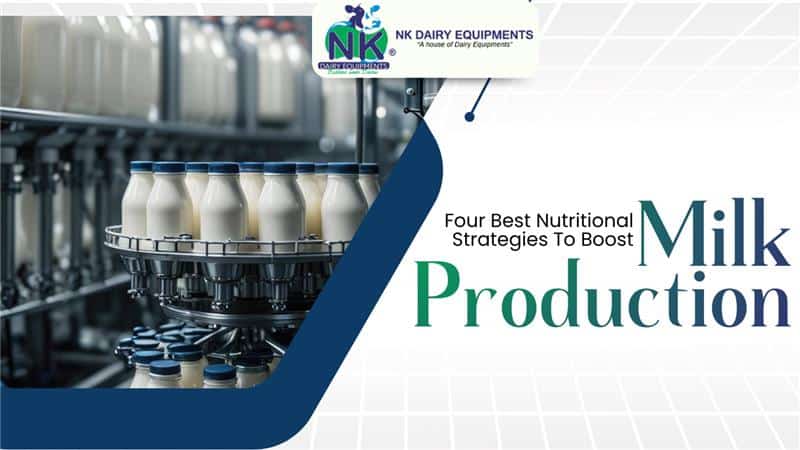
Milk production is usually affected by an inadequate amount of nutrients and other environmental factors. Due to this, dairy farmers remain in constant worry with several thoughts of increasing milk production in an effective manner. Milk production can be increased through an optimal approach, which should be known to all dairy farmers. Most dairy farmers should be aware of the nutritional strategies that can effectively increase milk production. Understanding the nutritional requirements of the cows in order to augment milk production is necessary for the dairy farmers. Considering this, in this blog, you will get to know about the nutritional strategies which can help boost milk production, so keep reading attentively. Have a look at the nutritional strategies to increase milk production. There are some specific nutritional requirements for increasing milk production, which should not be overlooked. There are some specific nutritional requirements which need to be considered in order to increase milk production in an effective manner. In order to get clear information regarding the nutritional strategies to boost milk production, go through the points mentioned below thoroughly. One of the crucial points to boost milk production is focusing on the balanced diet of the cows. Dairy farmers must ensure that they are providing the proper nutrients, which include fibre, protein and vitamins, in an adequate manner. Along with this, one must ensure that they have the proper knowledge about providing specific nutrients to the cows for high milk output, such as providing protein sources like soybean and cottonseed meal. Another nutritional strategy which should not be neglected in order to maintain the health of the cows is the inclusion of forages in an essential manner. Forages contain the addition of grass and legumes, which are a significant part of a cow’s healthy diet. Along with this, one must ensure that they are providing a high-quality forage which is free from any kind of contaminants in order to maintain the cow’s health, hence resulting in increased milk production. Sometimes, diet is not enough to provide the essential nutrients to cows; therefore, one can go for using additives to their regular diet. Additives include the specific nutrients, such as yeast culture and enzymes, which are a crucial part of a cow’s healthy diet. One must ensure that they are providing certain additives which can improve their digestion. Along with this, additives are beneficial in reducing the risk of health issues, hence increasing the milk output in an effective manner. Most of the dairy farmers struggle with low milk production due to the poor health of the cows. The reason behind the poor health of the cows is feeding them inconsistently, which can adversely impact their health, resulting in low milk yield. Therefore, one must ensure that they are providing all the essential nutrients and additives to the cows in a consistent manner. As a result of this, dairy farmers can witness the high production of milk. Conclusion Mostly, dairy farmers struggle with low milk production, which might be due to the avoidance of the cow’s health. Therefore, it is important to look after the health of cows in terms of providing them with essential nutrients and additives. From understanding the nutritional requirements of the cows to providing them with suitable nutrients, everything should be analysed deeply in order to increase milk yield. Along with this, hand milking can impact the milk’s quality; therefore, using a milking machine to increase milk production can provide beneficial results. Considering this, if you are looking for the best milking machines, then engage with the services of NK Dairy Equipment. We help in providing you with all the dairy processing equipment with amazing benefits.
Different facts to know about cows.

Dairy farming is a type of agriculture dedicated to producing milk, Paneer, ghee and other dairy products from the care and feeding of the cattle, mainly dairy cows. The main focus of dairy farmers is managing the animals’ health, welfare and milk production to obtain the highest possible quantity and quality of the milk. For the preparation of ghee, planting of ghee plant can be beneficial. What is the definition of Dairy farming? Dairy farming is a branch of agriculture encompassing the breeding, raising, and utilization of dairy animals, primarily cows, to produce milk and various processed dairy products. Milk for human consumption is produced primarily by the cows and the buffalo. The goat is a vital milk producer in China, India, and other Asian countries, as well as in Egypt. Goat’s milk is also produced in Europe and North America, but goat’s milk is relatively unimportant compared to cow’s milk. A khoya machine is beneficial to get good quality dairy products like khoya. Facts about the cows. The following are some fascinating cow-related facts: Social animals: Cows are gregarious and develop strong relationships with other cow herders. When separated from their companions, they frequently exhibit distressing behaviors. Communication: Cows use a sophisticated system of vocalizations, body language, and even facial expressions to communicate with one another. They can express feelings of joy, satisfaction, or anxiety. Grazers: Cows are herbivores that mostly eat grass and other plants. This makes them known as grazers. Their four-compartmented specialized stomachs allow them to break down complex plant material efficiently. Ruminants: Since cows have a unique digestive system that enables them to ferment and break down cellulose in their diet, they are considered ruminants. Their specialized stomach compartments, the reticulum and rumen, are where this process occurs. Production of Milk: The primary purpose of cow breeding is to produce milk. A dairy cow can yield between 6 and 7 gallons of milk on average per day, though this might vary based on the breed and the individual cow’s health. Breeds: Cows come in various breeds, each having distinctive qualities. Intelligent Animals: Cows are incredibly wise and capable of solving complex puzzles. They can pick up duties and distinguish between different people and animals. Calm Temperament: Cow cows are often quiet and kind despite their massive stature. On the other hand, if they perceive a threat or their calves are in danger, they may turn hostile. Environmental influence: Because cows graze on the ground and emit methane during their digestive processes, they can negatively influence the environment. Efforts are being made to create sustainable farming methods to lessen these effects. Symbolism: In many communities worldwide, cows are associated with culture. Some cultures view them as sacred or holy animals, while others view them as symbols of fertility, abundance, and sustenance. Nowadays, advanced technology is used for dairy farming. If you are looking for dairy equipment in Ludhiana, then contact NK Dairy Equipments.
Empowering Micro Food Processing Enterprises in India through PMFME
Micro food processing businesses (MFPEs) are crucial to India’s food sector since they support millions of people’s livelihoods and the nation’s economic development. However, many of these businesses confront a number of difficulties, including a lack of access to cutting-edge technology and equipment, poor infrastructure, and a lack of funding.The Indian government introduced the PMFME scheme in 2020 to assist and empower MFPEs around the nation in order to address these concerns. In this article, we will discuss how the PMFME scheme is empowering micro food processing enterprises in India, with a specific spotlight on the dairy sector and the role of dairy equipment manufacturers in India in this process, including the production of Khoya machines and Ghee plants. What is the PMFME Scheme? The PMFME (Pradhan Mantri Formalization of Micro Food Processing Enterprises) Scheme is a lead plan of the Service of Food Processing Ventures (MoFPI) sent off in 2020 with an all out expense of Rs. 10,000 crore. The essential target of the plan is to formalize and modernize the sloppy micro food processing area in India by furnishing them with monetary help, specialized help, and admittance to business sectors. The plan expects to upgrade the seriousness of MFPEs and advance their development and extension, accordingly setting out business open doors and expanding ranchers’ pay. Role of Dairy Equipment Manufacturers in India Dairy is an essential area in the Indian food industry, and it assumes a huge part in the nation’s economy. With the ascent sought after for dairy items in India and around the world, the requirement for current and proficient dairy equipment has become critical. NK Dairy Equipments is one of the main dairy equipment manufacturers in India that works in the creation of Khoya machines, Ghee plants, and other dairy equipment. The organization has been at the very front of giving imaginative and high-level dairy equipment to the Indian market and has been taking care of the necessities of little and medium-sized dairy homesteads and processors. How PMFME Scheme Empowers Micro Food Processing Enterprises in India Under the PMFME Scheme, micro food processing enterprises can profit from different advantages, including credit-connected sponsorship, awards for reverse and forward linkages, and normal offices like testing, bundling, and advertising. The plan gives monetary help of up to Rs. 10 lakh to qualified MFPEs to set up their units and modernize their tasks. This help empowers MFPEs to gain new machinery and equipment, including dairy equipment, and overhaul their creation processes, subsequently upgrading their efficiency and proficiency. Role of Dairy Equipment Manufacturers in Empowering MFPEs Dairy equipment manufacturers like NK Dairy Equipments assume a significant part in empowering MFPEs under the PMFME Scheme. NK Dairy Equipments gives a scope of dairy equipment, including Khoya machines, Ghee plants, milk processing plants, and milk stockpiling tanks, among others, to MFPEs under the PMFME conspire. The organization likewise gives specialized help and after-deal backing to MFPEs to guarantee the smooth working of their dairy equipment. Conclusion The PMFME Scheme has been instrumental in empowering micro-food processing enterprises in India by giving them fundamental monetary help and specialized help to modernize and formalize their tasks. Dairy equipment manufacturers like NK Dairy Equipments play had an urgent impact in this cycle by giving excellent and effective dairy equipment to MFPEs and helping them in redesigning their creation processes. With the PMFME plans proceeding with execution and backing from dairy equipment manufacturers, MFPEs in India can continue to develop and add to the country’s economic development.
Be The Best Organic Milk Startup With NK Dairy Equipment

Did you know that India is the largest producer of milk in the world? We have almost 22 % share of global milk production. But nearly 68.7 % of the milk products they sell in the country do not match the standards that the Food Safety And Standards Authority Of India (FSSAI) laid down. Besides that, adulteration is also an old age ongoing issue in India. In fact, in recent times, we have noticed new startups that have come across to solve the problem of quality with milk. They focus on quality over quantity and purchase the machines from reputable Dairy Equipment Manufacturers in India, ensuring better production value. In Fact, many of those start-ups not only stress about the adulteration of free milk but also focus on what to feed the cattle for better milk production. In this blog, we will focus on some of the organic Milk Startups. You can also join the list by purchasing top-notch equipment for milk production and other products making machines such as Khoya Making Machine. List Of Organic Milk Production Startups ● Happy Milk Mehal Kejriwal, in December 2017, co-founded Happy Milk. Starting from scratch, now the team has its own farm on the outskirts of Bengaluru. This milk production company has around 400 cows. Currently, Happy Milk has been serving individual buyers. Some of the buyers include Foodhall, Nature Basket, and some others. They take orders in bulk hence the mass production. You can also take a monthly subscription through apps such as Daily Ninja, Amazon Prime, And Doodhwala. Happy milk has partnered with the German Technology company – Gea. They help them to design its farm aspects such as where they should install the milking parlor or Ghee Plant, the location of the calves, pasteurization and homogenization expertise, the packaging process, and many other processes. Besides that, they have also helped Happy Milk install a Monitoring device, which is somewhat equal to a Fitbit wearable for the cows at the farm. At Happy Milk, the team grows the fodder organically (which is free from any insecticides and pesticides). They have also provided Happy Milk with a detailed diet chart for the cows, including the 11-odd food nutrients. It results in a healthy, complete diet for better and larger quality milk. ● The Milk India Company Shilpi Sinha Founded The Milk India Company in 2018. It focuses on delivering raw and unpasteurized cow Milk. They are currently delivering to almost 600 families in Bengaluru. The Milk India Company mainly boosts the production of pure milk. They produce raw, unpasteurized, with zero processing and adulteration involved. On top of that, the National Dairy Research Institute Of India has certified it. The Milk India Company focuses on delivering cow milk every morning to the customer’s doorstep in the glass bottle. They started the production with an initial investment of Rs. 11,000, and now they have clocked an annual revenue of Rs. 27,00,000 and Rs. 70,00,000 in the first two years of operations, respectively.
Milk Processing Equipment For Small Scale Dairy Farming Business
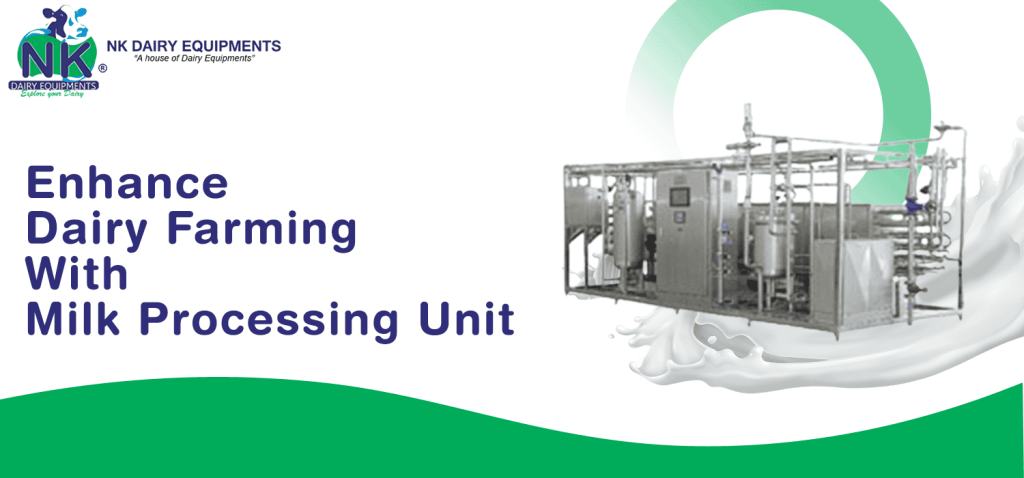
The best part about milk is that you can turn it into many different other products with the help of a processing unit. It is an excellent opportunity for those small dairy farming businesses that initially just used to offer milk to their customers. Now with better technology that you can get from the Dairy Equipment Manufacturers, you will be able to provide a broader range of options. If you are a newcomer, you might be very confused about what kind of processing unit you require. It is a significant investment; you should definitely be cautious of all aspects. Fortunately for you, there is no need for a whole milk processing factory in order to serve different dairy products. In this blog, we will talk about what you are required to do to build your own small-scale dairy processing unit. After the processing equipment, you can also enhance your business by planting a khoya making machine in your dairy business and extending the profit. Types Of Products Through Milk Processing Unit These are some of the items that you can manufacture with the help of a milk processing unit. Cream Butter Pasteurized milk Yogurt Cheese Ice cream Fluid milk Buttermilk And other products Importance Of Pasteurization Most small farm processing units have to make their milk pasteurized as the authorities do not allow them to sell raw milk in the market. In order to obtain that outcome, the dairy farmers heat the milk in the pasteurizers (a special device for pasteurization) and then let it cool. With the help of this procedure, you will be able to cut off the diseases-causing microorganisms making the milk safer. Apart from that, with pasteurization, the shelf life of dairy products is also increased. This is the reason why the government wants both small-scale and large-scale dairy farmers to make their milk pasteurized. However, pasteurization is not a compulsory thing to do in all countries; dairy farmers still continue to do so in order to increase their shelf life. Milk Processing Unit For Small Dairy Farm Let us take a look at the milk processing unit. Milk tanks The dairy farmer uses milk tanks, pre-stack tanks, interim tanks, and mixing tanks in order to store liquid dairy products. This process allows the products to stay fresh for as long as possible. This is the reason why they are a crucial piece of equipment for milk processing, as it will give you the possibility to produce fresh, high-quality, and safe products without any complications. Pasteurizers As we have already established, pasteurization is the core of the milk processing unit. They are basically equipment that will help you simplify the step for you. With a milk pasteurization machine, you will be able to heat the milk and keep it at a set temperature for a period of time. The unit also stirs the milk continuously and then lets it cool down to prepare it for further processing. Final Comments Contact NK Dairy Equipment for a high-quality milk processing unit for your dairy farm business. Extend your profit with new techniques.
What is the need for dairy and food processing equipment machinery?

Overview The dairy and food processing equipment & machinery are the important reason for the business success. The top-rated Dairy Equipment Manufacturers are coming up with the latest machinery and operating techniques for machinery to ensure the dairy business gets to work the best way possible. That’s why ensuring hygienic standards are top-notch for all dairy equipment and machinery. Innovative methods of dairy machinery and equipment improve functionality For the maximum efficiency and better production, the business is in a better state. Most importantly, that’s the possible reason for better consistency and optimum results. Innovative methods bring a lot of difference for a reliable solution and accurate product delivery. The Paneer Press Machine is known for producing it’s features like: High efficiency Easy maintenance Ultra-hygienic standards Lower operating costs Operation for diverse workflow Of course, this comes with the right choice to help in terms of upfront choice, and the investment goes the right way. With long-term investment, seeking something with the right price and the best possible consideration is essential. Maintenance with greater ease and reduced maintenance uptime Care is an essential part of investing in the long run. It’s a reliable choice that allows the downtime to be less. Moreover, the advanced technology means that fewer breakdowns help to make the utilization of resources much better. Additionally, the uptime level increases, which makes the profit level much higher. One of the key factors is the maximum utilization of resources, and to the fullest, that helps the profits to be much higher. With inventory maintenance, there are dramatic results possible. For the dairy business owner, it’s essential to have the right resources and all the possible technical information. So, the important part is to select a dairy manufacturer who knows all about modern technology and service. Ease in cleaning and sanitation Hygiene is one of the primary parts in terms of maintenance. Otherwise, it can lead to greater contamination. The equipment should be of a higher degree to let everything in terms of premium results and better functionality. So, having something easy to clean and sanitize is extremely crucial for the ultimate success of the business. Reduced operating time and makes overall functionality better The equipment with a user-friendly approach plays paramount importance for the dairy business’s success. A greater level of technical understanding helps to simplify several possible things like: Ease of maintenance Makes repair better Fast changeover time Troubleshooting gets ease Do enough research and then make a choice It’s important that you do enough research while making the necessary purchase. The dairy equipment manufacturer will help you get better clarity over everything and make it easier for the dairy business to choose something that’s effective in terms of overall quality.
Deep Study On Milk Processing Equipment And Its Advantages
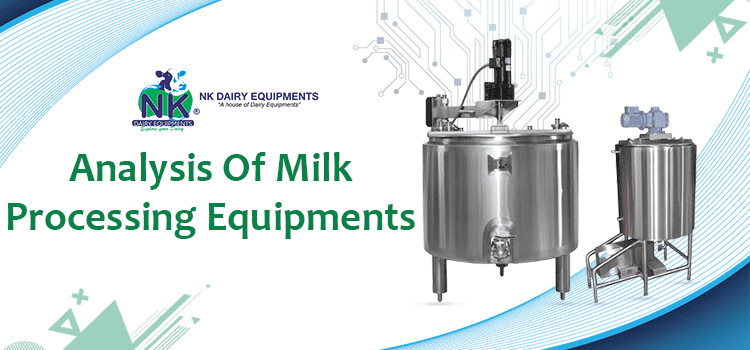
Over the course of time, we have seen significant changes in the processing and the working style of the dairy equipment industry. It started from the traditional set of dairy farming to the advanced and modern functioning of the equipment. Indeed, the dairy industry has seen a lot of evolution in the era of advancement and modernization. In India, the dairy industry contributes to the second largest food industry if we count the revenue generation. The country gathers a lot because of its comfortable work processing and advanced machinery. And there have been the involvement of many factors in helping the evolution and improving the dairy industry and the Dairy Equipment Manufacturers for the better. The milking machine has increased the ability to extract so much more milk from the cows generating a better supply for other dairy products. With the help of the development of milking machines and other dairy equipment such as milk analyzers, milk processing solutions, dairy processing, Khoya Machine, and ultra Kurien milk analyzer, the state of the dairy industry has changed for the better. Advantages Of Using Advanced Technology The manufacturer uses this milking machine to process the milk. This further results in making different dairy products, including butter, cheese, and cream. Some of the major advantages of these milking equipment directly lie in the aspect of time-saving. This enhances productivity and reduces time in packaging and labor cost while also improving the overall production. In the upcoming years, the dairy industry will definitely get a lot of benefits because of the increase in efficiency-enhancing and automation technologies. There are several dairy or milk processing units that compose homogenizers, milk pouch machines, dairy products, storage milk tanks, milk pasteurizers, soft drink packaging machines, milk pumps, refrigeration systems, industrialized homogenizers, and so on. What Are The Essential Parts Of Dairy Equipment? Because of the advancement in dairy equipment, we have seen a lot of reduced workload, making it less hectic for the people, resulting in less time consumption. There are some milking machines that have highly advanced functionality in them. They also compose several integral components, which are very vital for the operation of such machines. Some of the most critical components of milking machines are: Gauge Teat Cups Vacuum Tanks Vacuum Pump Regulator Pulsator What Is Pasteurization? Pasteurization basically refers to the procedure of milk heating. They complete this task at an extremely high temperature so that it will omit all kinds of unhygienic and harmful components. Some harmful elements in milk include bacteria that can spoil the milk. What Is Homogenization? It is a second step in the milk processing unit. Homogenization is basically a technique in which the machine removes the fat content in the milk. Many people also call this process separation, and it is essential in crossing down the fat level. What Is Packaging? It is the final and last step where the packaging of the milk product happens with the help of auto-generated packaging. It happened based on the types of milk they were generating. After this process, the dairy farmer loads the container with the packaging milk packets for delivery purposes to other places.

