
Ghee or Oil Which is better for body?

One of the staple parts of the Indian cuisine is the addition of ghee. Some people prefer to use refined oil. But, how do you know which option is best among both these options? In this guide, we will share the difference between ghee and oil, so that you can choose which one is best for your health. Introduction Ghee is the traditional form of clarified butter and it is a source of fat which is found in the Indian kitchen for cooking meals in winters. But, now as people are more focused on their health so they cut down the ghee consumption. To do so, they prefer the option of refined oils in the kitchen. When you are looking to buy the ghee, make sure to get from the best brand. At the best ghee plant, the entire process of making ghee is done in the right manner. Is refined oil beneficial? Refined oil is obtained by treating natural oils with different chemicals and this makes the oil unhealthy for consumption. Chemicals that are used in the refinement process will leave adverse effects on health like the liver, respiratory system, and skin. Moreover, it is also linked to other health problems like diabetes, cancer, kidney, and stroke problems. On the other hand, ghee is beneficial for health and it provides strength, vitality, and vigor to the body. Given below are some of the health benefits of ghee: Ghee is loaded with conjugated linoleic acid which is omega-6 fatty acid type. It is extremely beneficial as it helps to burn the fat and keep your weight normal. Ghee is loaded with essential fat and MFA in high amounts which helps to keep the cholesterol level in the right place by reducing the bad cholesterol and increasing the good cholesterol level. At our dairy plant, we make sure to follow the entire process of ghee making with proper hygiene and keep up with the quality. Ghee includes fatty acid in medium-chain and they are processed and absorbed by the liver and burned which takes the form of energy. If you are an athlete, then the consumption of ghee is highly beneficial. It also helps you live an active life or someone who might feel lethargic all day long. Ghee is loaded with Vitamin E & D, butyric acid, and detoxification properties which helps to increase the T-cell production. This is great for balancing the hormones and keeping the metabolism strong. By doing so, this will help your body to stay strong. Ghee is great for digestion purposes and it decreases inflammation. It helps you stay healthy and keeps the digestive tract in the right order. Ghee contains high levels of Vitamin K2 and it helps to absorb calcium which promotes strong bones and teeth.
Water Management in Dairy Industry
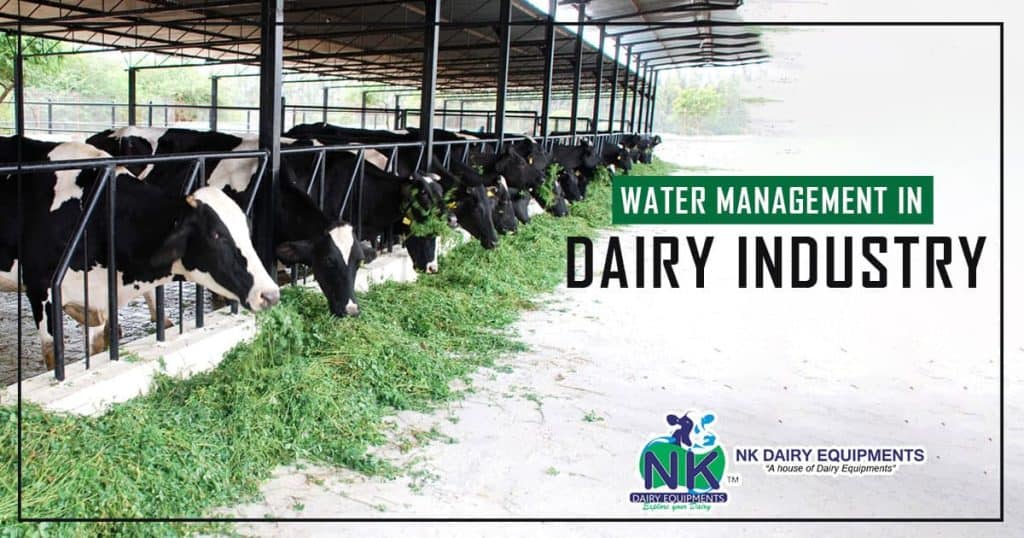
For the business, it is extremely essential to make sure every step is done in the right order. It is essential to manage the water and make sure every area has enough water flow. In the dairy industry, it is extremely essential to follow water management. In this guide, we are going to mention water management. Introduction The dairy plants all over the world use water daily. The water is evaporated which is around 20 lakh liters every day. In dairy plants, every day the water is used for different processes. It is important to follow the right water management practices in dairy processing. The dairy processors need to conserve water necessities and reduce the water consumption or choose the method of recycling water without compromising with the product quality and hygiene factor. You need to choose the best dairy machinery which helps you to manage the entire process in the right manner. Water use in different Dairy sectors For the food preparation, cleaning purpose, and other technical issues water is used. It includes cleaning equipment, dissolution of ingredients, product transportation, and water present in the final product. The process of water needs to meet the quality of drinking water. Cooling water is used to remove the heat from products and streams. It is essential to cool milk at the right temperature. For stream production, boiler feed water is used. The main requirements are low air, hardness, and carbon dioxide content. What about the water wastage control? For the effective water control program, it is important to have the right water metering facilities. This should be around a meter at each entry point. Investing in such meters is great for the dairy business. Some of the ways, in which water wastage can be reduced: Manual cleaning: Where possible, check the cleaning practices and choose the dry cleaning method. To clean the surface you should use the high-pressure low volume cleaners Use automatic shut-off nozzles on all water hoses. Before you clean them, make sure to soak all the equipment and tools. Avoid using water hoses as brooms CIP systems Reuse CIP solutions correctly Reuse final rinse water as pre-rinse for the next CIP cycle. For efficient CIP operation, Review regularly timers and settings Processing Optimize process schedules like preventing pasteurizers for water circulation and it reduces the wastage. To reduce cleaning frequency use continuous processes Recirculation of pump sealing water and homogenizer If the water is reused then it needs to be safe and it should not compromise with the product quality. Any containment in the product will affect the consumer’s health. Make sure, everything is monitored and tested continuously to ensure product quality is the best. If you are looking for quality machinery then contact our team for detailed information.
How is Plant based Dairy Changing the Manufacturing Business?

Milk and milk-based products are in high demand all over the world. With time, it has made it possible to use different products. One of them is a plant-based dairy product that has changed the dairy manufacturing business. Read the given topic, to understand how plant-based dairy is beneficial. Demand for Plant-based dairy products Milk is in high-demand all over the world and it comes in different options like skim and standard milk. Consumers are more interested in having the best milk options to add in the different food products like soy, oat, or nuts. One of the studies has shown that the demand for plant-based food products increased in 2018 and still, these numbers are rising continuously. With time, the consumers prefer to use the products which are beneficial to their health. If you are looking for options with fewer calories and less amount of sugar & carbohydrates, milk alternatives are a perfect choice. Another reason, consumers are using milk-based products because of allergies. The option of plant-based milk will help consumers to lower the environmental footprint. Due to taste preferences, people are also choosing plant-based milk products. If you are planning to set-up your dairy plant then you should get in touch with our team and they will give you the quality machinery & tools. How the plant-based revolution is changing manufacturing? In the past, many dairy companies have made an effort to use alternative milk types. At the dairy plants, some of the farmers focus on getting plant-based beverages that come from soy or almond. With time, the demand has increased which has benefited the dairy business owner in different ways. To make sure it is done correctly, you need to understand the complexities. To fulfill consumer needs, it is essential to focus on traceability and go through every stage. For consumer safety, it is essential to keep up with regulatory compliance. The final product which is being produced should be safe for consumption and this is done when the production process is in full control. To get the best recipe, a lot of trial and error needs to be done. There is no point in compromising with the quality, taste, or flavor. Perfect solution This is where plant-based dairy products are fruitful choices and it helps your business to stay alive. The dairy manufacturers need to focus on the growing trends and then make changes accordingly in their business. Moreover, the use of the latest and right technology will help you go a long way. So, this is a great way to increase business efficiency and reduce costs. We are here to help your business run as per the industry standards and help you to do well. If you are looking for quality machinery contact our team for further details.
How to improve waste management in dairy industry?
All the food processing plants including the factories will produce the wastes in one way or another. During the finishing and washing method of various equipment, there are many anaerobic and aerobic bacteria. Read the given guide, to learn the tips to improve waste management in the dairy industry. What is Waste Management? Waste management is the transport, collection, disposal, processing, or recycling. The dairy plants involve different machines and equipment. Types of Wastes in food processing plants Forms Sources Value or their reuse potential Being avoidable or unavoidable The dairy machines need to be cleaned on time so that the dust and dirt should not affect the other dairy products which are being made in the machinery. Wastes are classified into different types Solid wastes Liquid wastes Oily wastes Gaseous wastes or water vapors. How to minimize waste? According to the Industrial Waste Management Policy, the premises need to be subjected so that waste management waste can be accepted while including the waste minimization. Every dairy plant owner should use the methods which help to reduce the waste which occurs due to different operations. For the waste minimization some of the steps which need to be included are: Reducing the use of water Recovery of product from first reuse Reuse of off-spec material Reducing the use of chemicals Recycling water and chemicals Recovering and reusing spilled products and raw material. What is process control? The product of amount will depend on operational factors and which designs are included: The use of different technological processes. Adequate process monitoring, and use of the plant and procedure alarms. Using automated functioning like clean-in-place (CIP) systems and procedures. The level of routine equipment maintenance. Management level and operator commitment, training & efficiency. How to achieve waste reduction? Not overfilling cheese vats to stop curd loss. Sweeping up particles. Before rinsing, removal of whey and curds from vats Segregating all whey drained from cheese. Screening all liquid streams to collect fines. The evaporators are operated so that the power reduction and waste reduction is possible with: Keeping the liquid level low to stop the product from getting boiling. To avoid the milk droplets from getting carry-over use the entrainment separators. This is done during the condensation of water getting evaporated. Until the required concentration is done, the low concentrated milk is rec-circulated. Use of wet scrubbers or fabric filters as it helps in minimizing air emissions. Before the scheduled shutdown, the rinsing needs to be done effectively which is around 7 percent and during the next run it should be evaporated and then the sewer needs to be discharged. If you are planning to get the quality machinery for your dairy farm, then contact our team for detailed information.
Best Tips to Clean Dairy Equipments
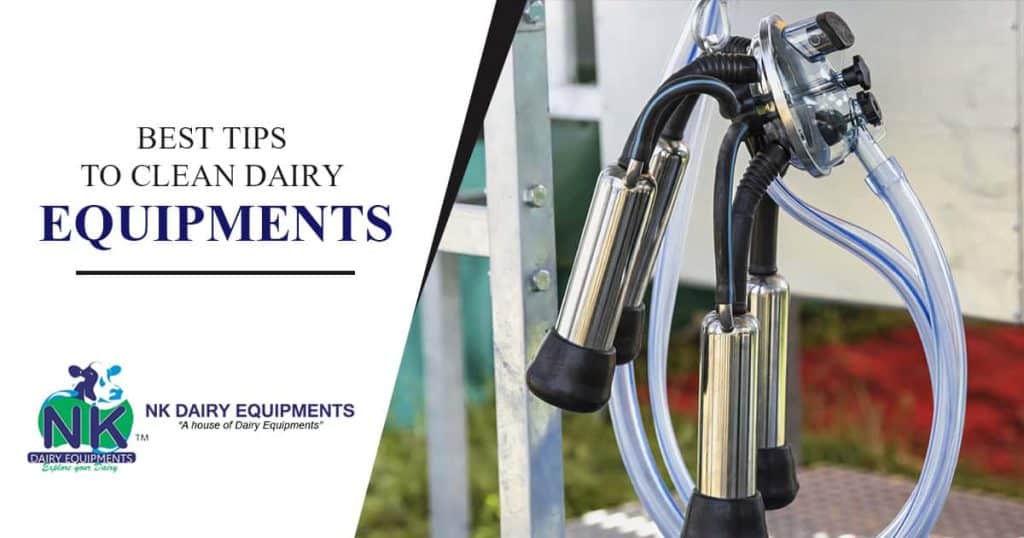
The annual milk production in India is around 60.6 billion kilograms. India is the second-largest dairy producer in the world. It exports milk products to its neighboring countries like Pakistan, Bangladesh, Nepal, and Afghanistan. One of the most important things is to make sure all the dairy equipment is clean. Read the topic to know the top tips. Dairy owners have to make sure every step in the dairy plant is done properly. The technology has made the machines and equipment top-notch which makes the entire working process easier. To have the maximum output it becomes essential to keep up with the services and maintenance. With regular maintenance, the build-up of dirt and dust will be prevented and dairy machinery will work effectively. Given below are the topmost tips shared by our dairy equipment manufacturers to clean the dairy machines & equipment: Cleaning the Machinery The foremost step is to clean the dairy equipment which includes rinsing the machines with lukewarm water. Before you start cleaning, make sure the residual exits from the system. Dairy equipment will have a layer of remaining milk solids or soil which contain organic as well as inorganic leftovers. This will serve as a ground for the micro-organisms and it will affect the dairy products. Moreover, the soil will affect the cleaning flow and sanitizing solution will not flow through easily. The dairy equipment needs to be rinsed at 100 degrees to 110 degrees Fahrenheit to remove the milk solids. Never re-circulate the water while cleaning the machines. Before you move ahead, discharge the water used in the first go. Do this process, until the water exits from the outlet pipes. Wash it properly After the rinsing is done, you need alkaline detergent. This is used to remove the residual butterfat present in the system to break the small droplets. The pH cleanser will range from 11 to 13 to get the desired results. For cleaning, keep the temperature between 160 to 170 degrees Fahrenheit. With this, the protein will break into small droplets, and then it is mixed with detergent water. Do this for around 10 minutes and then the temperature should not go down below 120 degree Fahrenheit. Once the washing is done, rinse the entire system with acidified water for around 5 minutes and the pH value should be between 3 and 5. Sanitization The last step is sanitization to clean the dairy equipment. You need to use chlorine-based sanitizers for this method. This will kill the germs present within the system. Once you are done you need to mix sanitizer along with water and run the entire system for around 5 minutes. Make sure, once this step is done do not put any external solution in it, other than the milk. Different steps are included in cleaning the dairy equipment and machinery. By doing so, it will maintain the hygiene factor.
How is Milk Pasteurizers helpful in keeping Milk Fresh?

Dairy business is growing with the help of advanced dairy machines and technologies. If you are planning to start this business, then you need to read this article at the end, because we are going to tell you each and everything about the milking process. We also tell you how pasteurization works to keep milk fresh. Milk is one of the most drinking liquids across. And we have a lot of milk to make sure we don’t face a shortage, no matter that we live in a world of many people suffering from hunger. With the help of modern and advanced agricultural machinery, food is provided in abundance for the citizens of the country. All these approaches are helpful to make quality milk and other milk products too, as these are valuable to improve the health of consumers. All the dairy machines are worked properly to make healthy products, well, not only healthy, you will find flavored products these days. So that you can enjoy consuming them well. Dairy plants include several machines but in this article, we are going to talk about pasteurization of milk. Let’s understand how pasteurization is valuable to keep milk fresh all the time. What is Pasteurization? Milk Pasteurization is a process of heating raw milk at the high flame in order to kill all harmful microorganisms including-: Viruses Bacteria Other pathogens. Originally developed by Louis Pasteur in 1864 to avoid the spoiling of wines, this process is commonly used around the world to increase the consistency of food products. Additionally, pasteurization is completely a natural and well-tested method, which is useful to turn raw milk into pasteurized milk so that people can simply enjoy it. Purposes of Using a Milk Pasteurizer Two main roles of a pasteurizer for milk include-: It kills any bacteria or other microorganisms that cause illness to ensure the health of the consumer’s milk. Pasteurization of milk is also useful to improve the consistency of milk by removing micro-organisms and toxic enzymes from raw milk. This is beneficial for the consistency and shelf life of the milk. It means that the customer gets fresh milk or other dairy products. Ways to pasteurize milk Milk pasteurization kills all pathogenic bacteria that cause milk souring. This process usually focuses on keeping milk fresh all the time also, raises the shelf-life of milk, and strengthens environmental health. Pasteurization destroys all big dangerous bacteria and microorganisms such as-: Salmonella Yersinia Staphylococcus Listeria Campylobacter E. Coli Brucella This process is useful to avoid infections such as scarlet fever and diphtheria, and also strengthens the immune systems. If you are running a dairy business, then you need to understand the importance of this process.
Tips to choose right modular Pasteurizer System

With the rise in demand for dairy products, almost millions of farmers start doing dairy business. It only happens because all the dairy works are done with the help of dairy machines and plants. In this article, you will see how dairy machines work properly to produce quality milk products. Due to the growing demand for milk and dairy products, several dairy farmers start producing a ton of milk in a day. Well, all the dairy works are done with the help of dairy machines, because it is too difficult to produce a lot of milk and products by hand or with the help of human labor. Dairy plant includes several machines that are useful to produce quality milk all the time. It is necessary to produce quality milk so that everyone can drink it simply without any problem. In this article, we are going to talk about pasteurization. What is milk pasteurization? Pasteurization is carried out by way of dairy goods to kill the microorganisms found in it and to get it fit for packaging purposes. You need to study this post to get information about the various methods for pasteurization. Pasteurization is performed to destroy microorganisms found in dairy goods to produce quality milk and keep it fresh for a long time. This process is an important stage in the delivery of such products for packaging. Below are the various devices that are used for compact pasteurizers that have a particular function connected with them. Vat Pasteurization This compact pasteurization framework is also known as batch pasteurization. In this process, raw milk is heated in a specially built vessel for at least 30 to 40 minutes. Throughout the case that the fat content of the substance is determined to be greater than ten percent or that the solids included in the food amount for 18 percent or greater, or if there are sweeteners included in it, the temperature is raised by three degrees. This process is beneficial to make fresh dairy products. HTST Pasteurization HTST is the acronym, which is additionally known as short-term high-temperature pasteurization. It is a commonly used method these days to pasteurize the milk, which is referred to as quick pasteurization or continuous pasteurization. This pasteurization system is known to be a continuous mechanism that guarantees that the microorganisms found in the milk products are eliminated quickly and effectively. Advantages of pasteurizers These procedures are extremely energy-intensive There is a small risk that the milk commodity would be contaminated. These devices may be completely utilized for recycling. The machinery used with these systems may be quickly washed and sterilized Thermophiles that are used in the HTST method can cause fewer issues.
Common Types Of Milk Pasteurization Processes

A discovery was made that heating the edible item can kill the unwanted microorganism and the edibles will not get spoilt. The process of pasteurization has helped to store the food in a better manner. In this guide, we are going to mention in detail the common types of the milk pasteurization process. Overview Many dairy industries are using pasteurization to increase product shelf life. The method of pasteurization is used on a large scale to ensure that the products meet the requirement of food preservation and food safety. Most of the consumers prefer packaged food products and it helps them to keep it unspoiled for a long time. The dairy plants use the method of pasteurization for milk and milk products. Types of Pasteurization In the market, there are new methods of pasteurization available. These are manufactured so that the entire process can get better. You can get the best dairy machines from the dairy manufacturer and they will make sure you get a reliable product. High-Temperature Short Time (HTST) It is also called Flash pasteurization or continuous flow pasteurization. This is one of the best methods of preserving milk. In this method, milk is heated for 15 seconds for 161°F temperature to kill the harmful bacteria. The milk pasteurized with this process should be consumed within 16 to 21 days and this helps to keep the milk fresh. Ultra-Pasteurization The ultra-pasteurization process helps the milk to keep fresh for around 2 months. The packaging for half-and-half milk and double cream will be benefited the most from it. With this process, the milk is heated for 2 seconds for a temperature of 280°F. This makes this method extremely fast and economical to preserve milk. Vat Pasteurization One of the expensive and longest methods of preserving milk is vat pasteurization. With this process, the milk is heated for around 30 minutes and at a temperature of 145°F. Once it is heated the milk cools down at the temperature of 30°F. This option is best in comparison to raw milk but it is not widely available. What are the advantages of milk pasteurization? Before packaging, when the milk is heated it helps to kill the bacteria present in it and it also gives various benefits: Increased Nutritional content Pasteurization makes it possible to kill the bacteria present in raw milk. The nutrients present in the milk are extremely beneficial which makes it best for consumption. Increased life of the product Pasteurization is not only helpful to kill the bacteria and unwanted microorganisms present in it. But, this also makes it easy that the packaged milk can be preserved for a long time and it is available for consumption all over the world. Reduced risk of illness The process kills the harmful bacteria in the milk which reduces the chances of someone getting ill.
Advantages of Homogenising Milk
Homogenization involves processing the milk so that the fat globules are reduced in the milk. This helps to prepare the milk of the best quality for the final consumer. Due to different reasons, the milk is homogenized. To understand the advantages of the homogenized milk you should read the topic in detail.
Advantages of milking machine

Milk is one of the most consumed items in India among the age group of different individuals. The milk contains different essential nutrients and proteins which are essential for the body. With the advanced milking machines it becomes easy for the milk to be of the best quality. In this guide, we have mentioned the benefits of milking machines. Overview Milking machine is one of the most essential parts of the dairy business. It is used for harvesting milk from the cows. The dairy machinery is further divided into 2 parts which include milking machines and fixed milking machines. For the dairy farm, these machines are extremely important and demanding for the business. This helps to make the complication less and the entire work is done effectively. Given below are some of the advantages of the milking machines for the dairy farm: Material is of great quality The machines are a very important part of the dairy business. They are made of high-quality material which is stainless steel. The machine is designed for the dairy farmers so that they can carry out the work of milking the cows easily. Improved milk Quality The machines are helpful to produce better quality milk. This way it helps the dairy farmers to earn the money they are looking for. The end-user gets quality milk which helps to increase the business in the long run. Reduce labor cost One of the major benefits of this machinery is reduced manpower, the machines work automatically which helps to reduce the need for the labor. The entire process of milking is done without the need of the person. Pollution-free machinery Another benefit of this machinery is they do not create much pollution. This is the main reason the dairy farm owners prefer to buy them to get better quality products. Reduced time As we have mentioned-above the machinery is automatic so the entire work is done on time. You simply need to set the time and the entire work is carried out in a pattern. The milk processing will be done step by step. However, with manual work, there are high chances that something can get missed while doing the work. Improved dairy production With time, the machines are working effectively and they made the working even better. The machines make the work of the dairy farm smooth. If you are looking to increase dairy production then these machines are the perfect choice for your business. If you are looking to set-up your dairy farm or want to increase the milk production, then get these latest machineries with improved technology. For more information, you can talk to our team and they will give you the best quality product which helps your business to run smoothly.