
Unleash the Benefits of Curd Making Machines for the Growth of Dairy Industries
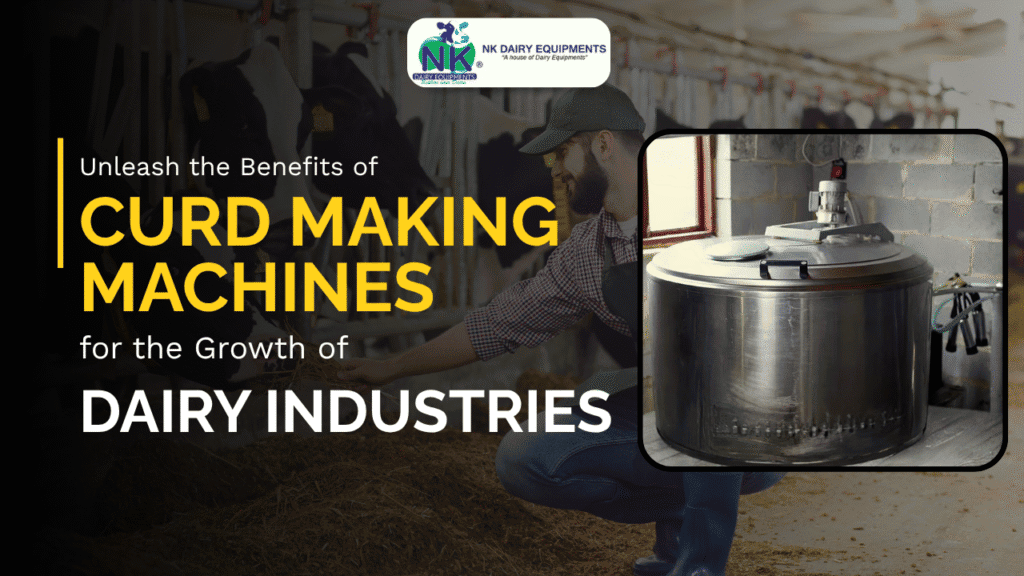
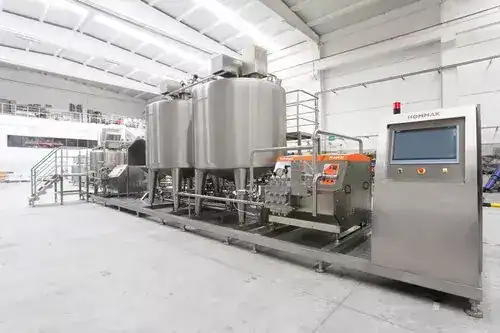
There are numerous dairy industries that rely on modernised machinery in order to produce dairy products. There are different machinery that are used by most of the dairy industries in order to produce better and more effective results. Among all the modernised machinery, one of them is the curd-making machine, which is experiencing rising popularity nowadays. There are many reasons why most of the dairy industries are feeling drawn towards the excellent uses of curd-making machines. Considering this, one can engage with NK Dairy Equipments in India to hand-pick the best quality of curd-making machines for the particular dairy industry. Before going for one, it needs to be ensured that one gets complete information regarding the benefits of the curd-making machine for dairy industries. In this blog, you will get to know about the same in a brief manner. Major benefits of curd-making machines for the dairy industry There are several benefits of opting for curd-making machines for the dairy industry, as they can accelerate their growth rapidly. So, go through the points mentioned below, highlighting the benefits of curd-making machines for dairy industries. Curd-making machines work automatically, which means the temperature setting and the process of making curd are controlled automatically. All is done by such machines. All this process is done efficiently without any human intervention. A lesser human involvement contributes to fewer mistakes and errors during the whole process. All the steps involved in the preparation of curd are done by such machines without any human help, which reduces the chances of any mistakes. The top benefit of using curd-making machines in the dairy industry is the consistent results. Every time one uses such machines, their results won’t get affected; in fact, they remain consistent and the same. This is all possible due to the maintenance of an accurate temperature all the time, which contributes to the same results. Such results include the creamy, thick, and smooth texture of curd every time. Curd-making machines are quite capable of producing a large amount of curd, which can provide great benefits to the manufacturer. Producing a large amount of curd will be responsible for meeting the market demand. Along with this, large curd production doesn’t even compromise the results, which provide greater benefit to the manufacturers in terms of their productivity. As mentioned above, these machines produce the curd automatically, which includes little human interference. In this way, there will be fewer chances of contamination, which contributes to the hygienic process of curd making. This hygienic process is responsible for ensuring customer safety, which is also one of the great benefits of using curd-making machines. In the long run, one can experience the benefits of cost savings with the use of curd-making machines. Such machines help in reducing the labor cost as almost all the processes of making curd are done automatically. Along with this, such machines are efficient in saving energy as well, which also contributes to their cost-saving benefits. Conclusion The use of curd-making machines in the dairy industry contributes to their increased production and consistent results. If you are looking for the best quality of curd-making machines, then you can engage with NK Dairy Equipments in India for better production in your dairy industry. Along with curd-making machines, we also provide milking machines and khoya-making machines, which can also contribute to the increased productivity of your dairy industry.
5 Key Facts About Dairy Manufacturing Machines

If you are thinking of establishing a dairy product manufacturing plant, it can be an intimidating undertaking. One needs to make sure that you are able to thoroughly and extensively invest in proper machinery. With the help of the right products and machines, you can make certain that you are able to build a plant that is highly effective and efficient with its output. One can directly contact milking machine or khoya machine manufacturers in India, such as NK Dairy Equipments, to understand the intricacies of each machine and thoroughly allow oneself to work out how one can establish a dairy farm that allows one to establish a livelihood. In this blog post, we plan to detail specific facts about the dairy manufacturing machines that can help you understand their uses and make a decision about whether you want to go into this industry or not. Equipped with the proper knowledge, you can make certain that you are entirely sure about this decision and contact the manufacturers of machines. The following are some of the facts about dairy manufacturing machines that might help you make a decision. Real-Time Monitoring With the help of dairy manufacturing machines, you can make certain that you are able to thoroughly and effectively manage and monitor your progress in an essential manner. Easily enhance the possibility of making certain that you are able to keep an eye on the progress of things. Hygiene is Prioritised With the help of these machines, you can make sure that your setup is actively prioritising hygiene in an essential manner. Easily enhance the possibility of making certain that you are able to maintain hygiene standards of production all the way through. This makes sure that any product you sell in the market is thoroughly hygienic and safe to consume. Specialised Equipment Available It is also important to note that dairy manufacturing machines in India are available to serve different specialised functions as well. From pasteurising the milk to ensuring that you can produce khoya without any worries, you can make certain that you are able to invest in any type of machinery you want. Energy-Efficient By investing in dairy manufacturing machines, you can also make sure that you are able to find and explore a way to be energy efficient across your dairy production plant without any worries. This will ensure that you do not have any issues with regard to your plant’s energy consumption. Cost-Effective Solution Dairy manufacturing machines might seem like a hefty investment, all things considered. One might not be willing to take a chance on the machines. However, it is essential to note that these machines reap long-term benefits. Therefore, it proves to be cost-effective in nature. Conclusion If you are planning to establish a dairy manufacturing farm, it is essential to make sure that you can understand the nitty-gritty details about the industry as well as the machines required to properly function. With the help of khoya or milking machine manufacturers in India, especially leading providers such as NK Dairy Equipments, you can make certain that you are able to thoroughly and extensively enhance the possibility of establishing a dairy farm with the right equipment. With this post, we ensure the possibility of making certain that everyone who starts working in the industry is aware of all the automatic equipment that might be required of them.
Top Benefits of a Milking Machine in Farmers’ Lives
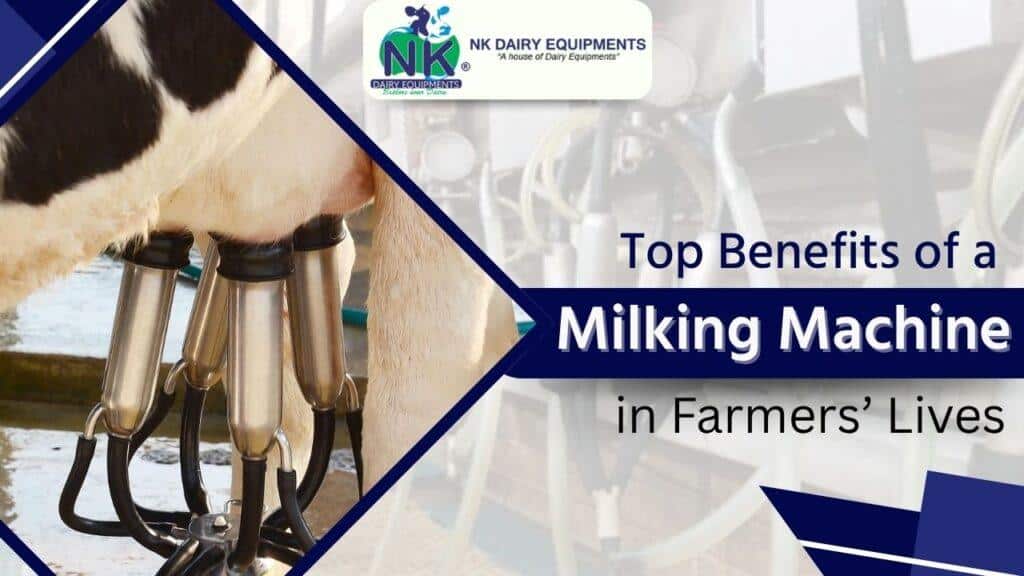
Milking machines are a great part of the new technology being developed in the dairy industry. These machines have started ruling the world due to their important features. Many dairy farms and farmers have benefited a lot from the use of these machines. Due to its numerous benefits, farmers have shifted from the traditional methods of extracting milk to these modern milking machines. The best thing about these machines is the milk quality. Therefore, buying milking machines won’t disappoint you as these are durable and efficient. You can buy the milking machine from the best-rated milking machine manufacturers in India to enjoy its features. This article will allow you to look into the benefits of a milking machine in farmers’ lives. What are the benefits of using a milking machine in farms? The farmers have gained many benefits from the use of milking machines. It has helped them to focus on other activities on the farm as well. The benefits are described below: In the traditional method of extracting milk, the farmers relied on the workers to extract the milk. The workers sometimes didn’t agree to doing hard labour, hence leaving the job, which really affected the milk production. But this is not the same case with the milking machines. This is because farmers just need to find the workers to operate the machines, which is an easy task, hence not all workers will say no to this. With the help of a milking machine, farmers can extract the milk from more than one cow, which enables them to manage other activities as well. Extracting milk from multiple cows at the same time is the best way for mass milk production. Therefore, milking machines are the best way to produce milk in bulk. The milking machine is easy to clean after using it for milk extraction. This enables the hygiene of the milking machines in order to make them able to be used one more time as well. Its parts are easy to clean, hence there is no hassle in maintaining these machines. If milk is not extracted from the cow, then it will lead to serious health issues for them. But the milking machines allow the milk extraction regularly, which prevents the milk buildup in the cows, hence promoting good health among cows. The milk extracted with the help of a milking machine is of good quality. The consistency and the colour of the milk remain the same as it was extracted by traditional methods. So there is no need to worry about the quality of the milk, as it produces the best quality milk for daily use. Conclusion Milking machines are a boon to many farmers as it has lessened their energy in milk extraction. Its quality of reduced manual labour makes it in demand higher in the market. Apart from the milking machine, there are other machines as well that have lessened the stress on human labour. For example, khoya machine manufacturers in India provide the best khoya-making machines. Therefore, the advent of such machines has simplified life in many ways.
Define Dairy Farming and Animal Care
Dairy farming aims to raise animals, primarily dairy cows, to produce milk, paneer, ghee, and other dairy products. Dairy farmers prioritize managing their animals’ health, welfare, and milk yield to maximize milk production in terms of both volume and quality. Proper care and quality of dairy farming help increase the number of dairy products, and for making quality khoya, khoya machines are available. What is the definition of dairy farming and animal care? Dairy farming: A subset of agriculture known as dairy farming involves the breeding, growing, and use of dairy animals, primarily cows, to generate milk and other processed dairy products. The buffalo and cows are the leading producers of milk for human consumption. In Egypt, China, India, and other Asian nations, goats are an essential source of milk. Although goat milk is produced in North America and Europe, it is less significant than cow’s milk. To take more ghee from the milk butter, the best companies planted a ghee plant. Animal care: The term animal care describes giving medical, psychological, and physical assistance to maintain the health and welfare of animals. This entails giving adequate rest, food, exercise, grooming, and medical care as required. In addition to providing for animals’ behavioral and social needs, animal care also entails fostering their physical and mental well-being and establishing secure, stimulating settings. What are the benefits of dairy farming? As with any agricultural endeavor, dairy farming has several advantages for both farmers and society at large. Here are a few of the main advantages: Nutritious Food Production: Dairy farming produces a consistent amount of foods rich in vitamins, calcium, and other necessary nutrients, like butter, cheese, yogurt, and milk. Economic Contribution: Dairy farming makes a substantial contribution to the economy by giving farmers a source of income, creating jobs in rural regions, and bolstering associated sectors like transportation, equipment manufacturing, and feed production. Support for Livelihood: For families in rural regions, dairy farming can be a source of income that helps to reduce poverty and provide a means of self-sufficiency. Land Use: Grasslands and other areas of land that might not be appropriate for different kinds of agriculture are frequently used for dairy production. This aids in stopping land deterioration and making efficient use of resources. Soil Fertility and Management: Sustainable agricultural practices and improved soil fertility can result from well-managed dairy farms, which include recycling organic matter through manure. Environmental Benefits: By fostering biodiversity, storing carbon in soils, and offering homes for wildlife, well-managed dairy farms can have a positive impact on the environment. Community Development: Dairy farms frequently significantly impact rural communities, promoting social cohesiveness and offering chances for involvement and assistance. Agriculture Sector Diversification: Dairy farming increases agricultural sector diversity by lowering reliance on a single crop and bolstering resilience against market swings. Food Security: Dairy farming contributes to food security and stability by helping to meet the world’s expanding demand for dairy products. Research and Innovation: Advances in animal nutrition, genetics, and management techniques are made possible by dairy farming, which also boosts production and sustainability. Nowadays, advanced technology is used for dairy farming. If you are looking for dairy equipment in India, then contact NK Dairy Equipments.
खोया बनाने की प्रक्रिया के बारे में विस्तार विवरण
खोया बनाने की प्रक्रिया में दूध को तरल पदार्थ से ठोस पदार्थ में तब्दील किया जाता है | हालाँकि खोया बनाने में कई तरह के चरण और रणनीतियां शामिल होते है, जिनके माध्यम से दूध को मावा या फिर खोया में बदलने के लिए व्यवस्थित रूप से किया जाता है | खोया बनाने की पारंपरिक प्रक्रिया में अधिक समय और मेहनत वाली होती है, लेकिन डेयरी उपकरणों में आये उन्नत ने खोया बनाने वाली प्रक्रिया को काफी आसान कर दिया है | खोया में एक समृद्ध मलाईदार स्वाद मौजूद होता है, जो भारत के सभी मीठे व्यंजनों में चार-चाँद लगाने का काम करता है | भारत के अधिकतर मिठाइयों में मावा यानी खोया का उपयोग किया है, जो उन मिठाइयों के स्वाद को कई गुना बेहतर बना देते है | एनके डेयरी इक्विपमेंट द्वारा प्रस्तुत खोया बनाने वाली मशीन ने खोया बनाने वाली पारंपरिक प्रक्रिया में उन्नत लाने का काम किया है, जिसके सहारे अब आसानी और कम समय में दूध से खोया का तैयार किया जा सकता है | आइये जानते है, ऐसे ही कुछ टिप्स एंड ट्रिक्स के बारे में, जिसका उपयोग खोया बनाने वाली प्रकिया में किया जाता है :- दूध को दही में तब्दील करें मावा बनाने के पहले चरण में दूध को अच्छे से गर्म किया जाता है, फिर इस गर्म दूध में मात्रा के अनुसार नींबू का रस या सिरका या फिर बटरमिल्क यानी छाछ को मिलाया जाता है | नींबू का रस या सिरका या फिर बटरमिल्क यानी छाछ, एक अम्लीय एजेंट के रूप में काम करते है, जो दूध में दही बनाने की प्रक्रिया को उत्तेजित करता है | इस प्रक्रिया में बना मट्ठे को ठोस पदार्थ से अलग कर दिया जाता है, फिर बचे हुए अवशेषों में से अतिरिक्त मट्ठे को निकालने के बाद खोया को तैयार किया जाता है | उबालना मावा बनाने की इस प्रक्रिया में दही को धीमी आंच में अच्छे से पकाया और उबाला जाता है | खोया बनाने के लिए इससे धीमी आंच में पकाना बेहद ज़रूरी होता है, क्योंकि पकाने के दौरान दूध में मौजूद अतिरिक्त नमी जमने लग जाती है | वाष्पीकरण की प्रक्रिया के बाद ठोस पदार्थ और भी गाढ़ा हो जाता है | लगातार दूध को हिलाते रहना खोया बनाने की प्रक्रिया में दूध को निरंतर हिलाते रहना पड़ता है, क्योंकि यह प्रकिया खोया बनने में अपनी अहम भूमिका को निभाते है | हालाँकि पारंपरिक खोया बनाने वाली प्रकिया में कारीगरों की सहायता लेनी पड़ती है | लेकिन खोया बनाने वाली मशीन से इस प्रक्रिया को बड़ी आसानी से और बिना किसी कारीगर की सहायता से किया जा सकता है | इसके अलावा खोया बनाने वाली मशीन समान रूप से गर्म होने को सुनिश्चित करता है और स्टेनलेस स्टील से बनने के कारण यह मशीन खोया को जलने से भी बचाता है | मावा में मिलाया जाता है घी खोया बनाने की प्रक्रिया दौरान, इसके स्वाद को बढ़ाने के लिए इसमें घी को मिलाया जाता है | घी एक स्पष्ट मक्खन की तरह होता है, जो खोया एक चमकदार फिनिश प्रदान करता है और अन्य बर्तनों में चिपकने से भी रोकता है | स्वाद के लिए मिलाई जाती है चीनी अच्छे से पकने के बाद, खोया में स्वादानुसार चीनी मिलाई जाती है, हालांकि बिना चीनी के भी खोया डेयरी में उपलब्ध होते है | लेकिन भारतीय मिठाई बनाने के लिए खोया का मीठा होना ज़रूरी होता है | खोया में चीनी मिलते समय यह सुनिक्षित किया जाता है की मिठास खोया की समृद्धि से मेल खाये | तड़का खोया बनाने के अंतिम चरण में, इससे तड़का लगाया जाता है | पूरी तरह से खोया के पकने के बाद, मनसचही स्थिरता को प्राप्त करने के लिए इससे आंच से उतार कर, ठंडा होने के लिए अलग रख दिया जाता है | खोया के ठंडा होने के बाद इससे मनचाहे आकर में या फिर इसके बाउल्स बनाकर रख दिया जाता है | अब इसका आप जब चाहे और जैसे चाहे इस्तेमाल कर सकते है | निष्कर्ष पारंपरिक तौर पर खोया बनाने में समय काफी व्यर्थ होता है और मेहनत भी काफी अधिक होती है | इसी बात का ध्यान रखते हुए एनके डेयरी इक्विपमेंट ने खोया मेकिंग मशीन का निर्माण किया है | इस मशीन के माध्यम से कम समय में और अधिक सरलता से आप खोया का निर्माण कर सकते है | यदि आप भी ऐसे ही मशीन की तलाश कर रहे है तो इसके लिए आप एनके डेयरी इक्विपमेंट से परामर्श कर सकते है | एनके डेयरी इक्विपमेंट हरियाणा के बेहतरीन और उपयुक्त डेयरी उपकरण निर्माता में से एक है, जो पूरे भारत में डेयरी इक्विपमेंट के निर्माण और आपूर्तिकर्ताओं का कार्य करते है | इसलिए आज ही एनके डेयरी इक्विपमेंट की ऑफिशियल वेबसाइट पर जाएं और अधिक जानकारी को प्राप्त करने के लिए दिए गए नंबरों से संपर्क करें | यह संस्था इस विषय की संपूर्ण जानकारी को प्रदान करने में आपकी पूर्ण रूप से मदद करेंगे |
What is A2 Milk and Why is it Growing in Popularity?

Do you know what A2 milk is? Because of its potential health benefits, this sort of milk is rapidly gaining popularity among health-conscious consumers. In this blog post, we’ll look at what A2 milk is and why it’s becoming more popular. We at nkdairyequipments, as leading dairy equipment manufacturers in India, are committed to producing high-quality dairy equipment such as khoya machine and ghee plant that may be utilized in the production of A2 milk. We understand the significance of making dairy products that are not only tasty but also safe and healthy for consumers. That is why we assist our customers in producing A2 milk that satisfies the highest quality and safety standards. What is A2 Milk? A2 milk is a sort of cow’s milk that contains just the A2 beta-casein protein, instead of A1 milk, which contains both A1 and A2 beta-casein proteins. A2 milk is accepted to be easier to digest than A1 milk, and a few researches have recommended that it might likewise be related with lower rates of specific medical issue, like heart disease and type 1 diabetes. A2 milk is produced by cows that normally just produce the A2 beta-casein protein, or through specific rearing or genetic testing. For what reason is A2 Milk Growing in Popularity? As more customers become aware of the potential medical advantages related with A2 milk, interest for this kind of milk is growing. Furthermore, A2 milk might be a good choice for individuals who are lactose intolerant or experience issues digesting standard milk. A few customers likewise lean toward the flavor of A2 milk, which is depicted as being creamier and less tangy than normal milk. At nkdairyequipments, we’re committed to producing top-quality dairy equipment that can be utilized in the production of A2 milk. Our khoya machines are intended to deliver great khoya, a well known dairy item utilized in many Indian desserts and sweets. Produced using A2 milk, khoya is a flavorful and nutritious option in contrast to standard milk that can assist consumers with enjoying in the potential medical advantages of A2 milk. Essentially, our ghee plants are intended to deliver excellent ghee, a kind of clarified butter that is normally utilized in Indian cooking. Produced using A2 milk, ghee is a rich and delightful option in contrast to regular butter that is accepted to offer a range of health advantages. Conclusion If you’re keen on exploring the potential health advantages of A2 milk, or are searching for a dairy item that is easy to digest, A2 milk might worth consider. As leading dairy equipment manufacturers in India, we’re pleased to help the production of top-quality A2 milk items through our khoya machines and ghee plants. Reach us today to dive deeper into how we can assist you with delivering great dairy items that fulfill the growing need for A2 milk.
A comprehensive note on sustainable dairy farms.

To better their farms, dairy farmers frequently collaborate with outside organizations, particularly local environmental organizations. Dairy farmers can sustain their communities for future generations by working together to maintain rivers, wildlife, native crops and other projects. Proper care and quality of dairy farming help increase the number of dairy products, and for making quality khoya, khoya machines are available. What is the definition of sustainable dairy farms? Sustainable dairy farms are agricultural endeavors that strive to generate dairy products while reducing adverse environmental effects, advancing animal welfare, bolstering nearby communities, and preserving long-term financial stability. These farms prioritize animal welfare, social responsibility, environmental stewardship, and economic efficiency. What are some sustainable dairy farming practices? A dairy farm can become more sustainable by implementing measures that enhance animal welfare, lessen their adverse effects on the environment, and guarantee their financial stability. Here are a few methods to make this happen: Pasture-Based Grazing: Permit cows to graze on pasture. Rotational grazing can lessen soil erosion, increase soil health, and reduce fertilizer usage. Feed Management: Reduce dependency on non-sustainable feed sources, such as corn and soy, and maximize feed composition to minimize waste. When it is feasible, use organic and locally obtained feed. Water Conservation: To reduce water use in farm operations, implement water-saving technology, including drip irrigation, rainwater gathering, and effective watering systems. Energy Efficiency: To lessen dependency on non-renewable energy sources, install energy-efficient machinery, solar panels, and LED lights, among other systems and equipment. Manure management: To properly handle manure, use composting or anaerobic digestion systems. This can provide nutrient-rich compost for soil fertility and methane for energy. Preserving natural ecosystems: It is beneficial for protecting farms and is essential for biodiversity conservation. This can involve keeping native vegetation intact, building ponds and planting hedgerows. Use Integrated Pest Management Techniques: Reducing the amount of pesticides and herbicides you use is applicable. This includes managing pests and illnesses through biological controls, crop rotation, and habitat management. Genetic Selection: To lessen the environmental impact of dairy production, breed for characteristics including heat tolerance, disease resistance, and feed efficiency. Reduce Waste: Milk can be sold in recyclable or returnable containers to help reduce packaging waste. Put plans in place to lower the farm’s overall waste production. Continuous Improvement: Monitor, benchmark, and implement new technology and best practices to evaluate and enhance sustainable practices continuously. Community Involvement: Work with the local community to develop partnerships with other stakeholders, educate customers about the advantages of sustainable dairy production, and support sustainable agriculture practices. Standards and Certifications: To show your dedication to sustainability and animal welfare, get certifications Benefits of sustainability of dairy farms. Sustainable dairy has advantages for the environment, society, and economy. Among these advantages are: Environmental Conservation: By lowering greenhouse gas emissions, conserving energy and water, maintaining soil health, and safeguarding biodiversity, sustainable dairy farming methods help reduce their adverse environmental effects. Animal Welfare: Ethical animal husbandry techniques, cozy living quarters, pasture access, and adequate dietary and medical treatment are all ways that sustainable dairy farms put the welfare of their animals first. Economic viability: By lowering input costs, raising production and improving efficiency, implementing sustainable practices can strengthen the financial stability of dairy farms. Community Engagement: By encouraging social responsibility, bolstering local economies, and creating job opportunities, sustainable dairy farming cultivates good relationships with the communities in which it operates. Food Security and Quality: By guaranteeing that consumers may obtain wholesome dairy products, sustainable dairy production helps to ensure food security. Dairy farming employs cutting-edge technologies these days. Contact NK Dairy Equipment if you’re seeking dairy equipment in Ludhiana.
Different facts to know about cows.

Dairy farming is a type of agriculture dedicated to producing milk, Paneer, ghee and other dairy products from the care and feeding of the cattle, mainly dairy cows. The main focus of dairy farmers is managing the animals’ health, welfare and milk production to obtain the highest possible quantity and quality of the milk. For the preparation of ghee, planting of ghee plant can be beneficial. What is the definition of Dairy farming? Dairy farming is a branch of agriculture encompassing the breeding, raising, and utilization of dairy animals, primarily cows, to produce milk and various processed dairy products. Milk for human consumption is produced primarily by the cows and the buffalo. The goat is a vital milk producer in China, India, and other Asian countries, as well as in Egypt. Goat’s milk is also produced in Europe and North America, but goat’s milk is relatively unimportant compared to cow’s milk. A khoya machine is beneficial to get good quality dairy products like khoya. Facts about the cows. The following are some fascinating cow-related facts: Social animals: Cows are gregarious and develop strong relationships with other cow herders. When separated from their companions, they frequently exhibit distressing behaviors. Communication: Cows use a sophisticated system of vocalizations, body language, and even facial expressions to communicate with one another. They can express feelings of joy, satisfaction, or anxiety. Grazers: Cows are herbivores that mostly eat grass and other plants. This makes them known as grazers. Their four-compartmented specialized stomachs allow them to break down complex plant material efficiently. Ruminants: Since cows have a unique digestive system that enables them to ferment and break down cellulose in their diet, they are considered ruminants. Their specialized stomach compartments, the reticulum and rumen, are where this process occurs. Production of Milk: The primary purpose of cow breeding is to produce milk. A dairy cow can yield between 6 and 7 gallons of milk on average per day, though this might vary based on the breed and the individual cow’s health. Breeds: Cows come in various breeds, each having distinctive qualities. Intelligent Animals: Cows are incredibly wise and capable of solving complex puzzles. They can pick up duties and distinguish between different people and animals. Calm Temperament: Cow cows are often quiet and kind despite their massive stature. On the other hand, if they perceive a threat or their calves are in danger, they may turn hostile. Environmental influence: Because cows graze on the ground and emit methane during their digestive processes, they can negatively influence the environment. Efforts are being made to create sustainable farming methods to lessen these effects. Symbolism: In many communities worldwide, cows are associated with culture. Some cultures view them as sacred or holy animals, while others view them as symbols of fertility, abundance, and sustenance. Nowadays, advanced technology is used for dairy farming. If you are looking for dairy equipment in Ludhiana, then contact NK Dairy Equipments.
Define dairy farming.
Dairy farming is a type of agriculture dedicated to producing milk, Paneer, ghee and other dairy products from the care and feeding of the cattle, mainly dairy cows. The main focus of dairy farmers is managing the animals’ health, welfare and milk production to obtain the highest possible quantity and quality of the milk. What is the definition of Dairy farming? Dairy farming is a branch of agriculture encompassing the breeding, raising, and utilization of dairy animals, primarily cows, to produce milk and various processed dairy products. Milk for human consumption is produced primarily by the cows and the buffalo. The goat is a vital milk producer in China, India, and other Asian countries, as well as in Egypt. Goat’s milk is also produced in Europe and North America, but goat’s milk is relatively unimportant compared to cow’s milk. Different types of dairy farming techniques There are different types of dairy farming techniques. Robotic milking is one of the most significant and recognized dairy industry advancements. Automated milking machines handle the whole milking process automatically and gather data to help dairy producers make important decisions for the handling and dairy cattle nutrition of each cow in their system. They measure milk production on a per-cow basis and can measure the grain concentrate each cow is ingesting so you can see the impact it has on their milk production. The khoya machine is used for production of Khoya. Rumination collars: A rumination collar uses a microphone to measure a dairy cow’s rumination to help ensure a smooth transition period. Changes in rumination can be an early sign of calving diseases and negative impacts if recent ration changes cow comfort. It is essential to know the rumination patterns for specific dairy cows that can help mitigate the effects of manageable stressors like heat stress. Rumen Bolus: A rumen bolus measures rumen temperature and pH levels to help identify systemic infections that need treatment. If a rumen bolus tells a dairy producer that a cow’s pH is dropping, it is a sign that a total mix ration is not mixed thoroughly, sorting is taking place, or a ration change is having negative impacts. Parlour Monitoring: Parlor monitoring systems measure daily milk flow per cow, and there are some systems that can measure components like daily milk fat and daily milk protein and can even address milk quality by measuring somatic cells. The Ghee Plant is used for making more ghee. Things that are used for preparing feed for cows There are two significant categories of feed: concentrates and roughages. Roughages are usually high in fiber and the concentrates are high in protein and carbohydrates. Roughages: Roughages or fiber refers to the carbs in plants that your body can not digest. Once roughage reaches your large intestine, it’s either broken down by your gut bacteria or exits your body in your stools. Concentrates: Concentrates are low-fiber, high-energy feeds when compared to forages, and they can vary considerably in their protein content. Most often, they are fed to raise the energy level of the ration for dairy cattle and to compensate for any other deficiencies that remain beyond those provided by the forage portion of the ration. Nowadays, advanced technology is used for dairy farming. If you are looking for dairy equipment in Ludhiana, then contact NK Dairy Equipments.
Types of dairy products and their benefits

Since childhood, we have heard about the goodness of all the dairy products. They are rich in calcium, which is important for growth of strong bones and teeth. They also provide high-quality protein, which helps the growth and repair of muscle. Dairy products also contain vitamins such as vitamin D, vitamin B12, and riboflavin, which are essential for health. All the dairy products give important nutrients to your body. For more information, you can check Ghee Plant. Some of the popular dairy products such as: Milk: Milk is the most nutritious dairy product and is consumed by every household on a daily basis around the world. It is a great source of calcium, which is important for strong bones and teeth. Milk can be enjoyed on its own, and it can be used by adding in cereals, coffee or any other food item. It is used in cooking and baking some food items. Different types of milk are available, such as whole milk, reduced-fat milk, low-fat milk and fat-free milk. Some people enjoy alternative milk options such as almond milk, soy milk, oats milk, rice milk, etc. Ghee: Ghee is a healthy, clarified butter. It is made by gently boiling unsalted butter until the milk solids and water get removed leaving behind the pure fat. Ghee has a lot of importance in the Indian tradition. Ghee is used in every Indian household for cooking and massage, and it adds a delicious depth of flavor to dishes like curries, dals, biryanis etc. Ghee can be reserved without using a refrigerator for many months. For more details, see Ghee Plant. Cheese: Cheese is the favorite dairy product of many people. There are so many different types of cheese with their own unique flavor and texture. Cheese can be enjoyed on its own and can be added to sandwiches, salads, Indian curries, pasta pi, pizza, etc. It is a versatile ingredient which can enhance the taste of any dish. Khoya: Khoya or Mawa is a dairy product used widely in Indian cuisine. Khoya is formed with the process of boiling the milk until it gets thick. Khoya is a good source of calcium and other nutrients and is also used in Indian sweet dishes. Khoya has a rich, creamy texture with a little sweetness. The making process of the Khoya is a little time-consuming, but it gives a unique taste to desserts. For more details, you can consult Khoya Machine in India Yogurt: Yogurt, also known as “curd”, is made by fermenting milk with live bacteria cultures, which gives it a tangy flavor and creamy texture. Yogurt can also be enjoyed on its own and can be used in dishes like raita, lassi, and marinades; it adds a refreshing element to meals. It is a great source of probiotics, calcium, and protein. Butter: Butter is a staple food present in every household. It adds a rich, creamy flavor to dishes; it is used in various ways. Butter is also used in baking, spreading on toast, and even in making ghee. Butter adds richness to both sweet and savory dishes. Dairy products add good taste, healthy fat and many other health benefits to your daily diet. Many of them can be consumed on their own or can be added to other dishes to enhance their flavor.