Oat milk — the best choice for people who prefer a vegan diet, as it is a plant-based alternative to milk, which is getting popular day by day. It is made from oats, which are blended with water, and therefore has a creamy texture. Oat milk is known for its slightly sweet flavour, which is often mild. Moreover, its versatility makes it an ideal choice for cereal, coffee and baking. It is a good option for those who are allergic to nuts, soy or dairy products. It is much more sustainable than dairy milk as it uses less land and water. It is usually fortified with a variety of vitamins such as B12, calcium, and Vitamin D as well. As compared to the milk of the cow, it has lower protein content.
The processing of oat milk
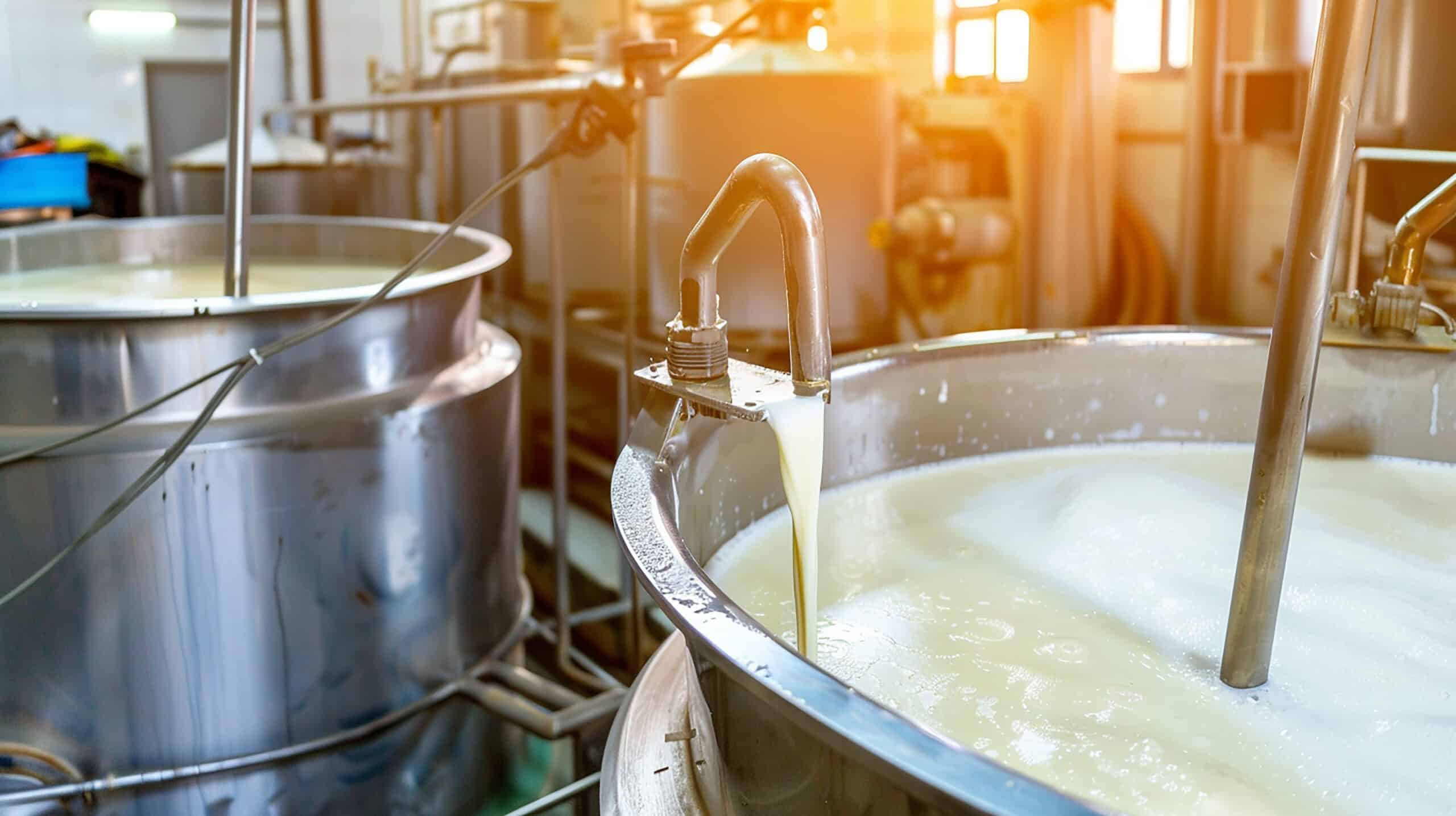
The transformation of oats into a dairy-free as well as a creamy drink through the processes of milling, enzymatic treatment, separation, formulation, homogenization, and sterilization. In the process, oats are first mixed with water, starches are broken down by the enzymes, such as amylase, in order to get a smooth texture – liquefaction as well as sweetness. Thereafter, through the process of centrifugation, the liquid is separated from solids. Eventually, vitamins, oils and stabilizers are added to the milk, which is followed by the process of homogenization to achieve a smooth texture and also aseptic filling or UHT treatment for the shelf stability.
Important steps in the production of oat milk
- Milling: Rolled oats or oat flour are ground, which is then mixed with water in order to form a slurry.
- Enzymatic Hydrolysis: Also known as Liquefaction and Saccharification, this process involves the breaking down of oat starches into simpler forms of sugars, such as maltose, in which the enzymes are added. This reduces viscosity, thereby creating natural sweetness. Heat can also be used in this process.
- Decanting: In the process of separation, the liquid oat base is separated from the insoluble fibre – oat pulp, by a centrifuge. This also maximises yield.
- Formulation: Various ingredients such as vitamins, minerals, and stabilisers are blended in with plant oils for creaminess, texture, flavour and nutrition.
- Homogenization: It involves the use of tiny nozzles at high pressure; the mixture is then forced to break down fat droplets, thereby creating a uniform and smooth texture, which prevents separation thereafter.
- Pasteurisation Heat Treatment: To kill enzymes and microorganisms, the oat milk is often heated at an Ultra-High Temperature to ensure a long shelf life of the oat milk.
- Aseptic Filling and Packaging: The oat milk, which is sterilised, is kept in sterilized cartons in a sterile environment. This helps in keeping the oat milk fresh without any need to refrigerate until it is opened.
Conclusion
Oat milk is an eco-friendly alternative to dairy milk as it has lower water and land requirements. Moreover, it is getting popular with baristas and also home cooks for use in beverages as well as various other recipes for its creamy and smooth texture. For replacing animal-derived milk, oat milk is the best choice for you. NK Dairy Equipment provides the best and highest-quality vegan products, and the oat milk processing plant is one of them. Mrs Himpreet Kaur monitors the area and ensures cleanliness around every corner. With more than 20 years of experience, we are happy to receive an enormous number of clients. You can also be one of them. Visit us and take with you an oat milk processing plant today.