Do You Know About Industrial Dairy Equipment? Let’s Get Familiar With Its Concept And Features!

Industrial dairy equipment incorporates specialised machinery made of stainless steel, which is designed for the hygienic collection, processing, and packaging of dairy products on a large scale. The main equipment includes milk reception units, homogenisers for the improvement of texture, pasteurisers for the removal of bacteria, storage tanks, packaging machines and separation units as well. This ensures the quality of the product as well as its safety from farm to your table. These systems allow for quicker processing, reduction in labour dependence, as well as consistent production of a number of dairy items such as butter, cheese and yoghurt. Core components of industrial dairy processing equipment Vital Features Conclusion The industrial dairy equipment ensures uniform processing, such as precise control of temperature during the process of pasteurisation or homogenisation, which results in consistent quality, texture and taste of the product. Many types of modern systems are allowing dairies to scale up their production in order to meet the growing market demand without compromising the quality of equipment. You can buy the best and high-quality products from NK Dairy Equipment. Himpreet Kaur ensures you receive the great quality of the products at affordable prices. FAQs Q1: In dairy, what is a CIP system? A1: CIP – Cleaning-in-Place refers to a method which is used in cleaning the interior surfaces of vessels, pipes, and process equipment without dismantling them by making use of heat, water and a few chemicals. Q2: Which piece of equipment is considered to be the most important in a dairy farm? A2: The milking machine is that piece of equipment which is considered the most critical and important because it is used more hours every year as compared to any other kind of equipment in order to efficiently and safely harvest milk.
5 Key Factors to Consider When Selecting an Effluent Treatment Plant
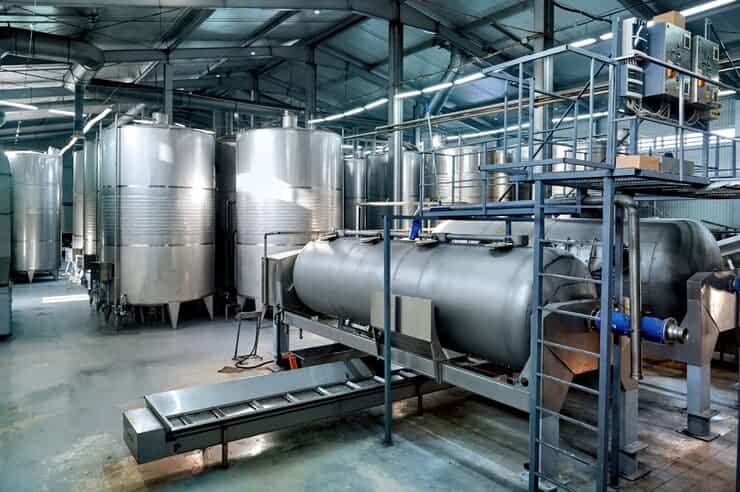
Effluent treatment plants have been an innovative way to bring balance and ensure companies adhere to the regulatory requirements, and also ensure the wastewater is treated properly before it is discharged into the environment. The effluent treatment plant has different technologies such as sequencing batch reactor (SBR), Membrane bioreactor (MBR), moving bed biofilm reactor (MBBR), activated sludge process and soil biotechnology. Since it has different technologies and functionalities, it’s important to understand what you need to put into consideration when selecting your effluent treatment plant for your factory, and this blog will help you if you read on. Effluent Characteristics It is important for the manufacturers to understand the effluent characteristics before choosing the effluent treatment process. One of the first effluent characteristics to take note of is the physical characteristics, which consist of the PH, colour, odour and suspended solids. The chemical characteristics help to understand the biological oxygen demand and the chemical oxygen demand. Thirdly, the flow rate of effluent and lastly, the toxic compounds, which are the inhibitory compounds in the effluent that affect the bacteria used in the treatment process. Treatment efficiency It’s also important to evaluate how effective the ETP is in removing the waste compounds from the wastewater. Its effectiveness must be calculated in terms of Biological oxygen demand (BOD) and Chemical oxygen demand (COD), suspended solids removal and targeted contamination removal. The effectiveness of the ETP should be calculated by dividing the treatment flow rate by the total flow rate. Compliance and regulations Before selecting the effluent treatment plant for your factory, it’s important that everything meets the requirements to ensure compliance with the water regulatory bodies. The regulations include treatment before discharge and compliance with effluent discharge limits. Failure to adhere to the regulations can impose an environmental threat, thus also threatening the progress of the factory. Capacity and scalability When selecting an effluent treatment plant, it’s important to also consider the ETP’s capacity to handle wastewater volume and its scalability, so that times of planning to expand the ETP will be able to handle increased generation and also go for an ETP that can be easily expanded or upgraded to avoid any future expenses and liabilities. Cost considerations While considering the initial cost of the investment, it’s important to also take into consideration the operational and maintenance costs, energy consumption and expenses related to sludge disposal. It will help you get an idea of the total cost of the ETP and help you make a concise decision on the selection of the ETP. Also, consider the location of the land and its nearby vendors, which can also lead to further expenses if the chosen location is not favourable for the plant. Conclusion The appropriate effluent treatment plant will give you satisfactory results and efficiency, and the needed capacity, and it will also avoid future expenses. Once you have successfully determined the type of ETP and all other requirements, NK Dairy Equipment is the firm to consult when planning to install your plant. We have a profound team of engineers and craftsmen who are bent on ensuring that our customer gets exactly what they need for their plant. We also ensure to provide premium service since we have an in-depth understanding of the great impact the plant can impose on the environment in our customers’ companies.
Understand the Major Role Of Veterinary Services For Milk Production

Most of the dairy farmers remain stuck in increasing milk production, which is their greatest source of profit. Due to numerous factors such as rising animal health issues and environmental factors, they remain in constant worry about milk production. Among all the factors, cows’ health has a huge impact on milk production and its quality. Dairy farmers need to understand how cows’ health plays a crucial role in milk production and should ensure that the cows’ health remains better over time for increased milk production. For this, they can indulge in veterinary services, which hold great significance in terms of managing cows’ health in an essential manner. Most of the dairy farmers are not aware of the veterinary services, which are a great source for boosting milk production. In order to know about the role of veterinary services, read this blog containing the information regarding the same. Role of veterinary services for increasing milk production. Veterinary services include the prevention and treatment of cows’ health in an essential manner. Dairy farmers should be aware of the role of veterinary services for increasing milk production; therefore, they should go through the points mentioned below, highlighting the crucial role of veterinary services for milk production. One of the major roles of veterinary services includes the proper diagnosis of cows’ health. Mostly, cows get affected by various diseases such as mastitis and ketosis, which can have a negative impact on their ability to produce milk, hence affecting milk production. In such a situation, indulging in veterinary services such as diagnosing the underlying condition and providing the proper treatment accordingly can bring numerous benefits to cows’ health. With such a comprehensive approach, one can efficiently contribute to better milk production. Another major role of veterinarians is the maintenance of their reproductive health after the calving cycle, which includes the lactation period. By following veterinarian services, cows are provided with proper nutrition and care after their lactation period, which is essential for milk production. Most veterinarians focus on cows’ reproductive health during their lactation period, which is essential for better milk production, hence beneficial for dairy farmers. This includes the proper care of animals in order to ensure that the cows remain protected from various health issues. In veterinary services, vets make sure that the housing is done and proper sanitation is provided to the cows to protect their physical health. Along with this, with the advent of technology, the health of cows is checked thoroughly in order to detect any abnormalities earlier. Also, the cows whose health is affected by a specific disease or illness are provided with proper medication and care by veterinary services, resulting in increased milk production. At each crucial stage of life, cows are in need of some essential nutrients which effectively contribute to their better health. Vets have enough knowledge regarding fulfilling the specific nutritional requirements of the cows; therefore, they provide proper nutritional guidance on it. As a result of this, their milk production increases with better milk quality. Conclusion Through veterinary services, cows remain protected from various health issues, which can effectively contribute to the high milk yield. The above-mentioned points demonstrate the role of veterinary services for the protection of cows’ health and increasing milk productivity. Along with this, due to the development of technology, opting for a milking machine for efficient milk production can also be an ideal choice. Such machines eliminate manual labour, which effectively helps in boosting milk productivity. Considering this, you can hand-pick the superior quality of milking machines from NK Dairy Equipment. We provide essential dairy equipment for higher productivity and positive outcomes.
Dairy Cooperative Model in Tribal Area — Sustainable Development
A land blessed with rich biodiversity as well as fertile plains is Andhra Pradesh. Tribal communities are one of the many treasures of Andhra Pradesh. They have even lived in the forests and hills of Andhra Pradesh for centuries. The tribes like Valmiki, Jatapu, Yanadi, Dora and Konda, etc., have their homes in districts like Vishakhapatnam, Srikakulam, Alluri Sitharama Raju and Parvathipuram Manyam. Each group has a unique culture and traditions. Yet, they have to face economic hardships because of limited job opportunities and difficult living conditions. For improving their livelihoods, one promising solution is the dairy cooperative model. These cooperatives are like the vehicles of social change. They provide reliable income, women’s empowerment and strengthening of communities. Let’s explore how these daily cooperatives transform tribal lives, thereby making sustainable growth. Stable earnings for Tribal people Based on tradition, the tribal people of Andhra Pradesh survived on their work based on seasons and their forest produce, as well as small-scale farming, but all these earnings are insufficient for living their lives. A new source of sufficient and reliable income is provided by dairy cooperatives. Through the cooperative network, the families rear buffaloes and cows and sell their milk. A regular and transparent cycle of payment is provided by this system. It also helps the households to meet their daily requirements, as well as to support the education of their children and to provide them with health care services. Women empowerment In tribal communities, women have remained the unsung heroes of livestock rearing for a long time. They clean the sheds, perform the process of milking and feed the animals as well. Still, in terms of earning and decision-making, the contribution of women remained invisible. This narrative is getting changed by dairy cooperatives. They are making those women active members of the cooperatives. Now, they are attending the meetings, receiving the payments directly for the milk that they supply and voicing their opinions too. Dairy cooperatives — more than just an income source Dairy cooperatives are more than just a source of income. By increasing access to eggs and fresh milk in the houses of tribal people, the dairy cooperatives improve nutrition. They also promote gender equality as they empower women by providing them with job opportunities as well as equal social stature. Tribal culture is thus preserved with their help. While introducing the modern methods, they support traditional animal rearing practices. By encouraging collective work and shared decision-making, they also foster community bonding. Conclusion Dairy cooperatives are acting like the powerful engines of change in the tribal areas of Andhra Pradesh. They are providing steady incomes and building resilient communities. These cooperatives do have the potential of transforming the lives of so many people with the support of the government, as well as the development of infrastructure. If you want to buy the best quality dairy equipment, you must visit NK Dairy Equipments to buy products like milk coolers, paneer press machines, butter churners, cream separators, etc.
Moving Daily Excellence With Nk Daily Equipment

In today’s swiftly evolving daily landscape, the proper machine and processing infrastructure serve as the backbone for changing raw milk into high-quality products. NK Daily Equipment emerges as the leading core partner for daily entrepreneurs, cooperative and small to medium processing units, providing an extensive range of equipment to enable new daily value chains. Reason why Nk Daily equipment is on Top With the good reputation of the past years, the experience in the daily equipment manufacturing space, NK Daily Equipment has constructed a strong credential and authorization in delivering high-quality machinery, timely delivery and export-capable manufacturing standards. The item range ranges from khoya machine butter cherner daily cold chain equipment to turnkey dairy-processing plants and complete value-chain ways. By aligning with the demand of the new daily function, such as automation, hygienic stainless-steel construction, large-capacity cooling equipment, and integrated processes, NK Dairy Equipment enables processors to move from legacy manual systems toward industrial-scale, standardized dairy production. The vision of the new Daily sector India’s daily sector is undergoing a change, still largely based on conventional methods. The industry now faces the requirement to boost productivity, enhance, and integrate traceability into operations. The roadmap for a self-reliant Indian dairy industry emphasizes precision farming tools, automation in processing, blockchain traceability and climate-smart infrastructure. NK Dairy Equipment’s comprehensive product portfolio from bulk milk coolers to pasteurizers, homogenisers, milk analysers, and turnkey plants for curd, paneer and ghee making aligns with these emerging priorities. In effect, they serve as a facilitation partner for dairy business owners and cooperatives who aspire to modernize their operations in line with national goals of increased value-addition, higher productivity and sustainable growth. key product and ways highlights How Dairy Businesses Can Benefit from NK Dairy Equipment Conclusion In an epoch where dairy businesses must evolve from commodity milk production to high-value, attentive and technologically combined operations, aligning with the right equipment partner is essential. NK Dairy Equipments, with its robust product range, manufacturing credentials and industry experience, provide a compelling option for dairy entrepreneurs and collaboration. By accepting modern dairy-processing equipment and value-chain infrastructure, dairy businesses can not only improve effectiveness, hygiene and profitability, but also contribute to the national agenda of a self-support, sustainable and inclusive dairy sector.
Understanding The Transition Stress In Dairy Animals

Transition stress refers to the period of substantial metabolic and physiological strain, which usually lasts from three weeks before to three weeks after calving. It is the crucial period in the life of dairy cattle. Therefore, it is essential to manage this stress effectively to maintain the proper health of the cattle and productivity as well. This transition stress is represented by a negative balance of energy because the cattle’s energy demand exceeds their intake. This can lead to increased risk of diseases like ketosis and mastitis, immune suppression, and even reduced fertility. The bodies of the cattle are prepared for lactation during this period of transition stress. If there exists a high imbalance in any nutritional component, it affects their immunity, reproductive efficacy, and productivity. This stress is directly linked to periparturient diseases like hypocalcemia and ruminal acidosis. It is necessary to manage stress effectively in order to prevent diseases and to achieve optimum productivity. Even though the period of transition stress includes 120 days, the most significant period is 21 days prior to and 21 days after calving. During this period, multiple metabolic alterations take place to address the negative balance of energy as well as the calving stress. The energy deficit increases with the increase in the transition stress. Negative balance of energy accumulates body fat, which results in the formation and utilisation of NEFA (Non-Esterified Fatty Acids). It leads to the loss of Body Condition Score (BCS). For glucose synthesis, gluconeogenesis is utilised. Hence, the peripheral glucose utilization is reduced. All these modifications aim at leading more glucose towards the mammary gland. There exists an increased need for metabolizable protein, that is, lysine and methionine. Hormonal alterations The hormones which are included in these alterations are estrogens, progesterone, prolactin, insulin, glucagon, placental lactogens, thyroid hormone, somatotropin, and glucocorticoids. These hormonal alterations are increased fat breakdown, increased glycogenolysis, increased gluconeogenesis, decreased fat synthesis, increased use of lipids as the energy source, increased protein and mobilisation of minerals from their reserves, as well as increased nutrient and mineral absorption. Managing the transition stress Significant strategies for managing the period of transition stress Carefully managing the period of transition stress through diet can have a positive effect on the health as well as the productivity of the cattle. Conclusion NK Dairy Equipments works towards offering high-performance products. We deliver our products carefully and on time. We provide the best products which work efficiently and are very durable. We commit to offering exceptional services, which have become our hallmark.
Four Amazing Benefits of Plant-based Milk
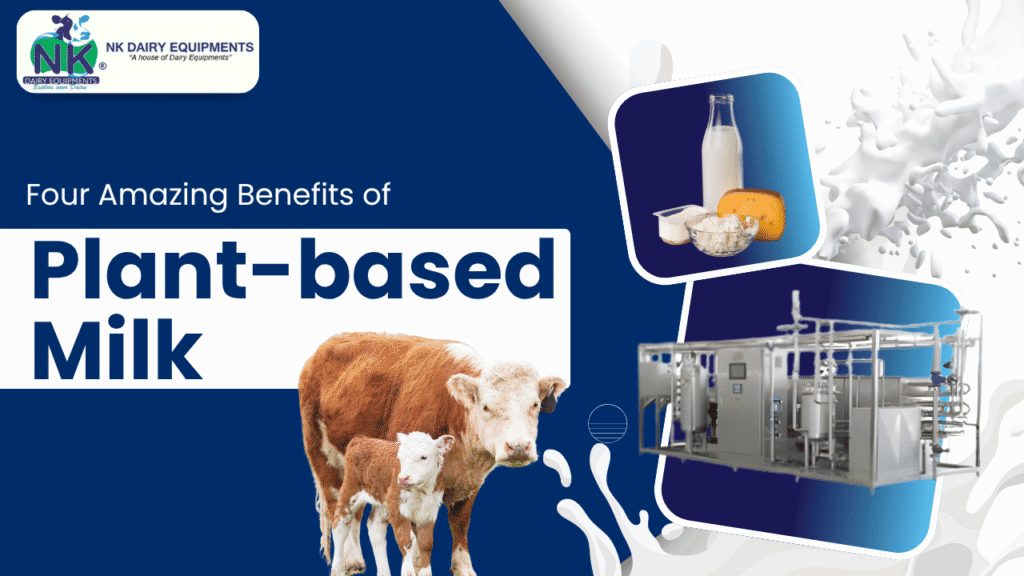
The advanced technology has simplified the complex task of preparing milk through the invention of the milk plant. Preparing milk with the help of different types of milk plants has become an easy task, as it involves no extra effort. Hand-picking the best quality of milk plant for milk products can fetch numerous benefits in terms of milk quality and texture. Most individuals might live with this specific question about the milk quality produced by different milk plants. The perfect answer to this question is that milk plants certainly contribute to a better quality of milk with the perfect texture and colour. Plant-based milk holds great significance in terms of providing amazing health benefits. One should be aware of the benefits of plant-based milk in order to lead a healthy life and stay away from any diseases. Considering this, read this blog, which contains information about the major benefits of plant-based milk in an essential manner. Look into the amazing benefits of plant-based milk. The process of plant-based milk includes the addition of nuts and seeds, which are mixed with water, and various methods are performed to turn it into the texture of milk. The whole process of preparing plant-based milk involves clean ingredients along with strict hygiene, hence contributing to the great quality of milk. Go through the points mentioned below, demonstrating the benefits of plant-based milk. Lactose-intolerant people can’t consume cow’s milk due to the presence of lactose in it. Consuming cow milk can cause bloating and abdominal pain, which can interrupt their daily life activities. However, for such people, plant-based milk can be a great alternative. The reason behind this is that plant-based milk contains no dairy products and is made up of other ingredients such as nuts and seeds. Therefore, lactose-intolerant people can consume plant-based milk without affecting their health. Cow milk contains the maximum calories, which can increase one’s body weight. However, consuming plant-based milk removes the stress of excessive body weight as it contains low calories. Therefore, one can consume plant-based milk without worrying about their body weight, as it won’t contribute to excessive body weight. Plant-based milk is enriched with a high content of fibre, which is essential for improving digestive health. One can consume plant-based milk freely without concern about their digestive system. The nutrients enriched in this type of milk ensure that one’s gut remains healthy, hence adding to better digestion. One of the major benefits of consuming plant-based milk is promoting a healthy heart. The cholesterol level is low in this type of milk, which is beneficial for heart health. Along with this, plant-based milk is also low in saturated fats, which are harmful to heart health. Due to the low saturated fat and cholesterol levels, plant-based milk is beneficial in regulating blood pressure in an effective manner. Conclusion Plant-based milk can provide wonderful health benefits in terms of improving gut health and promoting better heart health. The reason behind the amazing health benefits of plant-based milk is that it is prepared from the best quality of milk plants. The invention of milk pants has simplified the task of preparing plant-based milk for the workers of the dairy industry. Considering this, if you are someone looking for high-quality milk plants, then engage with the services of NK Dairy Equipment. We help in providing all types of milk plants to ease your task of milk preparation.
Harnessing Dairy Excellence with NK Dairy Equipments
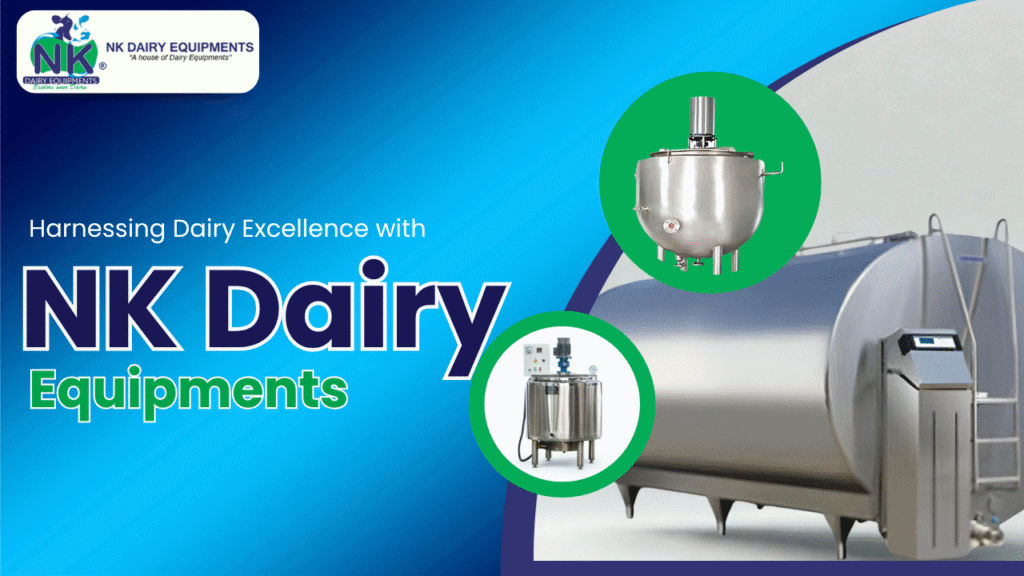
In today’s fast-paced industry, cleanliness and imaginative control are key to success. NK Dairy Equipments has established itself as a trusted name in manufacturing and supplying world-class daily machinery that meets these demands. With years of experience and dedication to the company, it offers end-to-end ways for new dairy processing plans. Understanding almond milk Almond milk is a plant-based milk which is made by grinding almonds with water, integrating, and then straining the combination to eliminate the solids. The outcome is always a smooth, creamy liquid with a subtle nutty flavour. It’s widely used as a substitute for cow’s milk, especially among people who are lactose intolerant, vegan, or health-conscious. Benefits of almond milk Almond milk is one of the best and most popular alternatives, which is based on the alternative around the world, and for good reason. This has been made with a mixture of almonds and water. It’s only light and delicious , and also packed with with nutrients that support overall well-being. Even when you’re lactose intolerant, vegan, or just looking for a healthy substitute for dairy, almond milk offers a lot of impressive benefits. This is one of the primary reasons individuals select almond milk: its low-calorie content. A single cup of unsweetened almond milk contains only about 30 to 50 calories, compared to around 120 calories in whole cow’s milk, which makes almond milk a more excellent choice for those trying to manage weight or reduce general calorie intake without sacrificing flavours. Almond milk contains well-being underrated fats which are known to assist in maintaining cholesterol levels and support cardiovascular health. It is naturally free from cholesterol and saturated fat, helping to keep your heart’s well-being and reduce the risk of heart disease when consumed as part of a balanced diet. For individuals with lactose or milk allergies, almond milk is an ideal alternative that contains no lactose or animal products , making it suitable For people with lactose intolerance or milk allergies, almond milk is an ideal alternative. It contains no lactose or animal products, making it suitable for vegans and those who experience bloating, discomfort, or digestive issues after consuming dairy. Almonds are naturally rich in vitamin E, and almond milk retains much of this nutrient. Vitamin E acts as an antioxidant that helps protect your cells from oxidative damage, supports skin health, and strengthens the immune system. A single serving of almond milk can provide 20–50% of your daily vitamin E requirement (depending on the brand). Unsweetened almond milk is naturally low in carbohydrates and has a low glycemic index, meaning it does not cause sharp spikes in blood sugar levels. This makes it a wise choice for people with diabetes or those trying to preserve steady energy levels throughout the day Conclusion For someone who is a daily entrepreneur seeking to improve the effectiveness and product profitability, NK Dairy Equipments provides a complete procedure, from the farm to the finished product. Their enhancement technology is durable machinery and dependable service, making them a preferred choice for dairy plants across India. Adding up money for the equipment not only changes efficiency but also opens new avenues for diversification and growth. With NK Dairy Equipments, you can take your dairy business to the next level, combining tradition, technology, and trust.
Understand the Importance of Milk Packing Machines
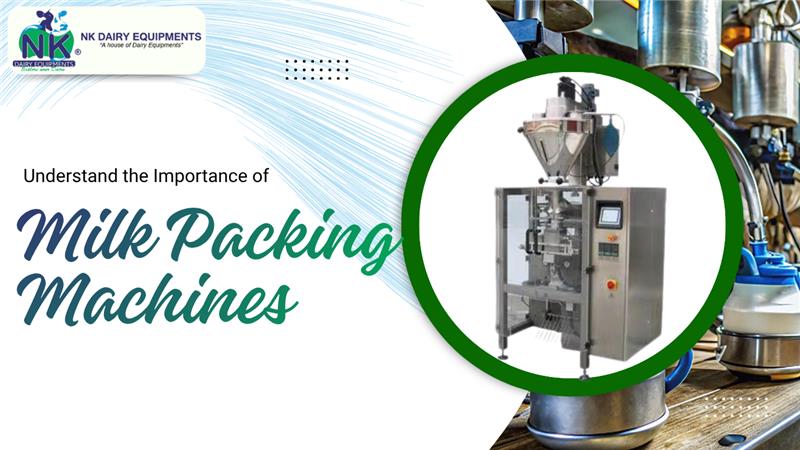
NK Dairy Equipments is a prominent player in the dairy equipment sector, known for its unconventional milking machines. However, the role of efficient milk packaging is just as important in preserving the quality and hygiene of the daily product. Talking about the differences of milk technologies, highlighting their advantages, and providing instructions on selecting the ideal machine for your dairy operation. Understanding the milk packing machine Milk packing machines streamline the procedure of filling and packaging milk into pouches, bottles, or cartons. They boost effectiveness, reduce labour, and deliver uniformly better results by using new technology. These machines play a vital role in preserving the freshness and safety of the milk, a core factor in meeting well-being rules and making sure customer satisfaction. Selecting the right machine for your dairy business Selecting a proper milk packing machine needs considering a lot of factors. Milk Pouch Packing Machines Milk pouch machines are exactness-engineered systems that automate the process of filling and sealing milk in pouches. Ideal for new dairy operations, these machines help boost production efficiency while upholding strict hygiene and quality standards, making them a vital asset for any dairy business aiming for scalability and growth. Elements and importance of Milk Pouch Packing Machines All grateful for their ability to deliver consistent performance, high-volume pouch packing machines are vital investments for daily business, dedicated to hygienic, high-quality milk to their customers. What Influences the Cost? The cost of milk packing machines can vary remarkably depending on a lot of important factors. Understanding these flexibility can help you make a smart investment that aligns with your production goals and budget. Key Price Components By evaluating these factors, dairy businesses can make informed purchasing decisions that maximise ROI while ensuring high-quality, hygienic packaging. Conclusion When you put money in the right milk machine, it is a vital step towards effectively preserving hygiene and ensuring a consistent item quality in any dairy business. This is whether you’re a small-scale producer or a large-scale daily, having knowledge of different types of packing machines, which, along with the factors that impact their cost, can help you make an informed, future-proof decision. From high-speed automated systems to compact models for smaller setups, there’s a wide range of options available to meet different production requirements. Brands like NK Dairy Equipments provide dependable high-outcomes machines backed by strong after-sales support, making them a trusted choice in the industry.
Automated Dairy Equipment – a Boon to Manufacturers
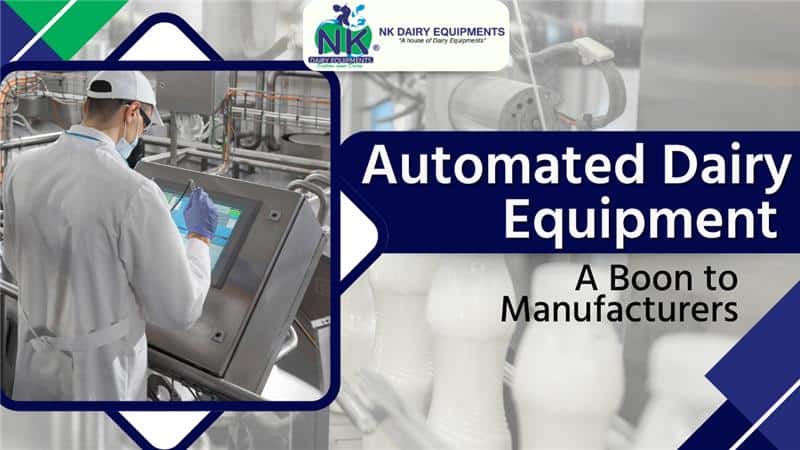
Automation has simplified several complex tasks that were performed in many industries, including the dairy industry. The advent of automated milking plants and other dairy equipment has contributed to the rapid growth of many dairy farms. Relying on fully or semi-automated dairy equipment can bring excellent benefits, hence contributing to the huge profit and popularity. Along with this, consumers can also witness the great advantages of the invention of various dairy equipment that has been used in the industry. However, the manufacturers of the dairy industry have benefited more from these automated dairy machines. This is the reason why manufacturers look forward to experiencing the amazing and outstanding benefits of automated dairy equipment. In this blog, you will get to know about the benefits of automated dairy machines for the manufacturers, so keep reading. Benefits of automated dairy equipment for manufacturers In the past, dairy products were prepared with great dependency on labour, which was more time-consuming and exhausting as well. Therefore, automated dairy equipment has played a crucial role in reducing the dependency on workers. Go through the points mentioned below to understand its benefits for the manufacturers. Working with labour for the production of dairy products cannot bring consistent and uniform results all the time. However, automated dairy machines have reduced the stress on labourers by maintaining consistency every time they are in working mode. This consistency contributes to producing better results, which gradually helps in industrial growth. Overall, the consistency of milking plants or other dairy plants provides real benefits to the manufacturers. As mentioned above, dairy equipment works without depending too much on labour. This is the reason why such machines contribute to better food safety for the consumers, which will eventually benefit manufacturers. When the dairy products are produced without any human intervention, it protects them from any kind of contamination. This will add up to the better health of consumers, due to which their trust becomes firm in the dairy industry. This trust is the fuel for many dairy industries to grow rapidly in this world. During the production process, it is necessary to look after the working of dairy machines in order to take the accurate step at the right time. Considering this, dairy machines have a feature through which one can trace the production process in order to avoid any problem or difficulty. This feature allows one to detect the particular issue on time and take preventive steps on time. Due to the less human labour, automated dairy plant equipment has made it possible to achieve better and quicker results, which are beneficial for the good reputation of the dairy industry. The dairy products are produced within a short span of time, hence meeting all the deadlines and contributing to the rapid industrial growth. Conclusion Automated dairy machines have made it possible to produce better and efficient results, which can provide great benefits to the manufacturers. The above-mentioned points are enough to demonstrate the picture of the qualities of automated dairy machines that play a significant role in industrial growth. If you are someone looking for the best dairy equipment to increase your productivity without affecting the quality of the results, then you can engage with NK Dairy Equipments in India. We deal in providing labour-saving and cost-effective dairy equipment, such as a Milking machine and Khoya making machine, for your dairy industry in order to increase your productivity and the quality of the product.