5 Key Factors to Consider When Selecting an Effluent Treatment Plant
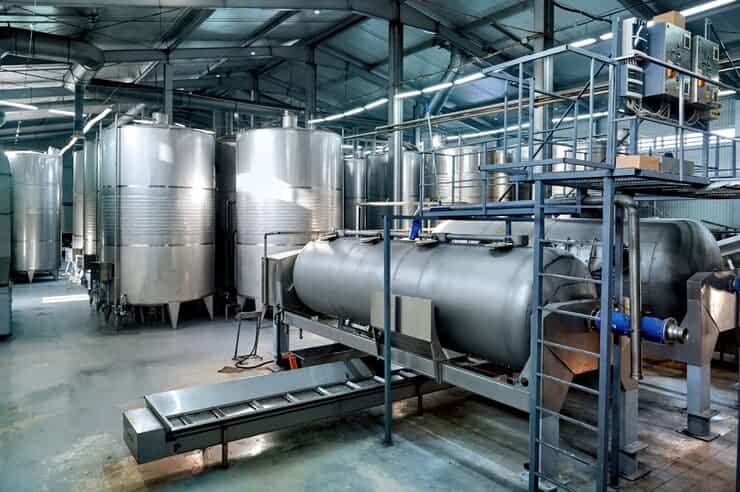
Effluent treatment plants have been an innovative way to bring balance and ensure companies adhere to the regulatory requirements, and also ensure the wastewater is treated properly before it is discharged into the environment. The effluent treatment plant has different technologies such as sequencing batch reactor (SBR), Membrane bioreactor (MBR), moving bed biofilm reactor (MBBR), activated sludge process and soil biotechnology. Since it has different technologies and functionalities, it’s important to understand what you need to put into consideration when selecting your effluent treatment plant for your factory, and this blog will help you if you read on. Effluent Characteristics It is important for the manufacturers to understand the effluent characteristics before choosing the effluent treatment process. One of the first effluent characteristics to take note of is the physical characteristics, which consist of the PH, colour, odour and suspended solids. The chemical characteristics help to understand the biological oxygen demand and the chemical oxygen demand. Thirdly, the flow rate of effluent and lastly, the toxic compounds, which are the inhibitory compounds in the effluent that affect the bacteria used in the treatment process. Treatment efficiency It’s also important to evaluate how effective the ETP is in removing the waste compounds from the wastewater. Its effectiveness must be calculated in terms of Biological oxygen demand (BOD) and Chemical oxygen demand (COD), suspended solids removal and targeted contamination removal. The effectiveness of the ETP should be calculated by dividing the treatment flow rate by the total flow rate. Compliance and regulations Before selecting the effluent treatment plant for your factory, it’s important that everything meets the requirements to ensure compliance with the water regulatory bodies. The regulations include treatment before discharge and compliance with effluent discharge limits. Failure to adhere to the regulations can impose an environmental threat, thus also threatening the progress of the factory. Capacity and scalability When selecting an effluent treatment plant, it’s important to also consider the ETP’s capacity to handle wastewater volume and its scalability, so that times of planning to expand the ETP will be able to handle increased generation and also go for an ETP that can be easily expanded or upgraded to avoid any future expenses and liabilities. Cost considerations While considering the initial cost of the investment, it’s important to also take into consideration the operational and maintenance costs, energy consumption and expenses related to sludge disposal. It will help you get an idea of the total cost of the ETP and help you make a concise decision on the selection of the ETP. Also, consider the location of the land and its nearby vendors, which can also lead to further expenses if the chosen location is not favourable for the plant. Conclusion The appropriate effluent treatment plant will give you satisfactory results and efficiency, and the needed capacity, and it will also avoid future expenses. Once you have successfully determined the type of ETP and all other requirements, NK Dairy Equipment is the firm to consult when planning to install your plant. We have a profound team of engineers and craftsmen who are bent on ensuring that our customer gets exactly what they need for their plant. We also ensure to provide premium service since we have an in-depth understanding of the great impact the plant can impose on the environment in our customers’ companies.
Effluent Treatment Plants: The Future of Environmentally-Friendly Dairy Milking
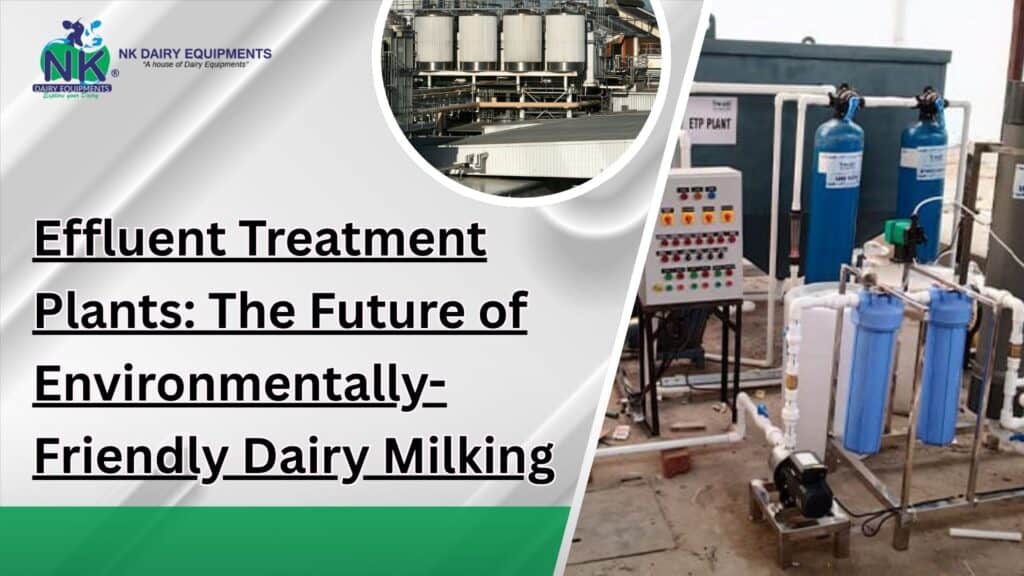
Introduction The dairy industry is known to notoriously create a lot of industrial waste, placing it in the topmost rank. To tackle that, people making dairy equipment have come up with a solution that will keep them out of trouble. There are many Effluent Treatment Plant Manufacturers in India who are helping us curb this situation as much as possible. Here are the reasons to opt for ETP, which is essential in curbing ecological harm in the following ways: Pollution: ETPs are known to lower the wastewater content, which also includes fats, oils and other organic content. It minimizes the ecological impact effectively. Regulation compliant: These machines are made keeping international and local regulatory standards in mind to achieve minimal damage to the water bodies due to the water discharged from these factories. Water Conservation: The used and discharged water from these plants can be used for non-potable purposes, thus lowering the need for freshwater. Odour Control: These devices use the best methods to remove odorous substances, which also enhance the air quality inside the factories. Resource Recovery: Some of these ETPs are known to use technologies that produce biogas, which is essential for energy production in factories. Thus, it will help them save more money when it comes to electricity bills that are too huge when it comes to commercial purposes. Protection of water bodies: ETPs prevent the flow of untreated and harmful wastewater into the water bodies, thus protecting the environment effectively. Safety: These types of equipment incorporate advanced methods to remove pathogens harmful to our health before releasing the wastewater into the bodies. Relief from Fines and Regulations: Complying with these norms by using such tools can help you save money that can be wasted on fines and other unwanted formalities. Improving the social image: The usage of these plants is known to improve the social image of the company and is useful in showcasing its corporate responsibility to its clients and other people in the market. Preservation of soil quality: Properly treated waste prevents degradation of soil quality, which also makes that land suitable for agricultural purposes. Better Relations With Surrounding Communities: If you have a factory producing dairy products around a locality and using these tools, you can build a better relationship with the locals, who won’t complain about anything regarding your production. Efficient Operations: These tools are known to optimize your operation and production capacity effectively. Conclusion The environment is our own need. We need to conserve it in the best possible way for a better future. It can improve our lives effectively. The effluent treatment plants have the best solutions for the wastewater that is harmful to our health. They have created many problems for us, like cancers and other types of health issues. Hence, an ETP is really essential for your dairy production. For more such tools and their details, you can come to us and have the best information to take your first step towards advanced dairy production and become a market leader.