
Ghee Plant
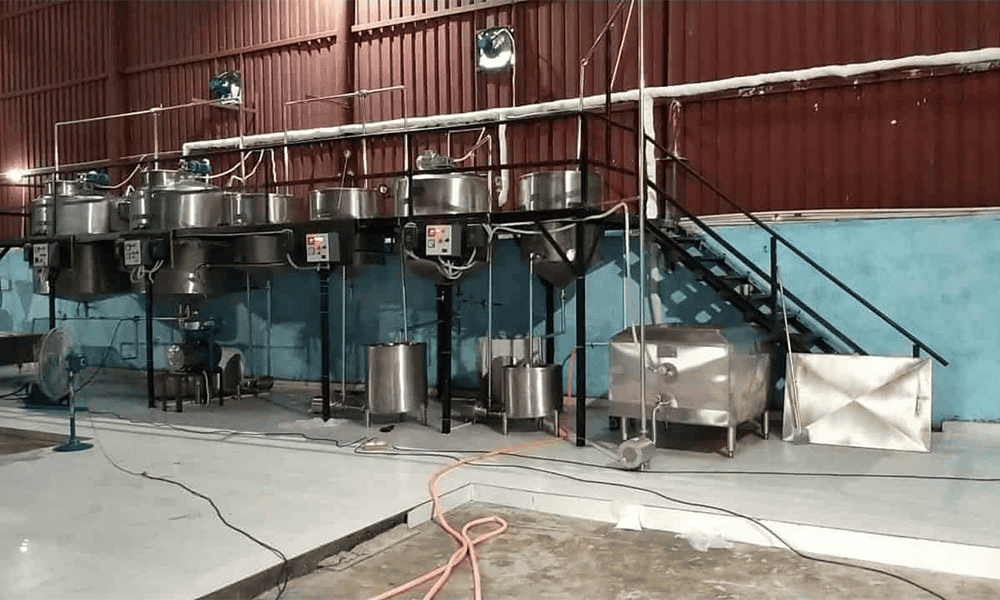
Ghee Plant
- Milk pasteurized and standardized
- Melting and clarification
- Remove impurities or sediments
- Quality control
- Low cost, high quality
We are the manufacturers of highly efficient ghee-making plants for small to large-scale businesses. For several years now, we have been offering affordable and effective ghee-making solutions.
Essentially, ghee is prevalent in the South Asian nations, not just for food reason, it is used in many areas such as cosmetics, medicines, and customary religious ceremonies. In addition, ghee is actually known as clarified or purified butter. Moreover, the quality of ghee depends on the quality of butter or the source of milk.
About Ghee plant
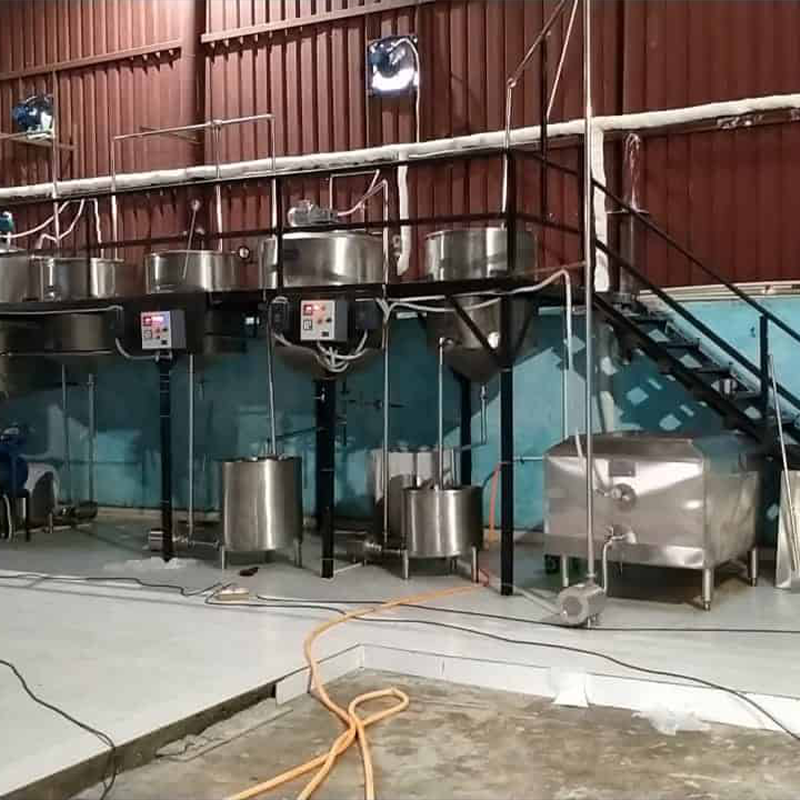
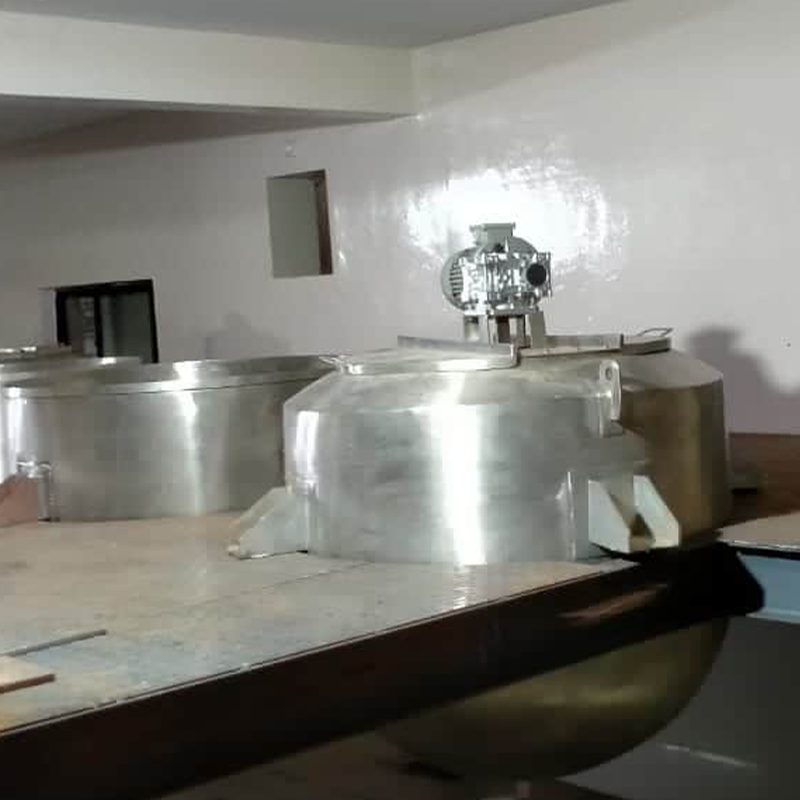
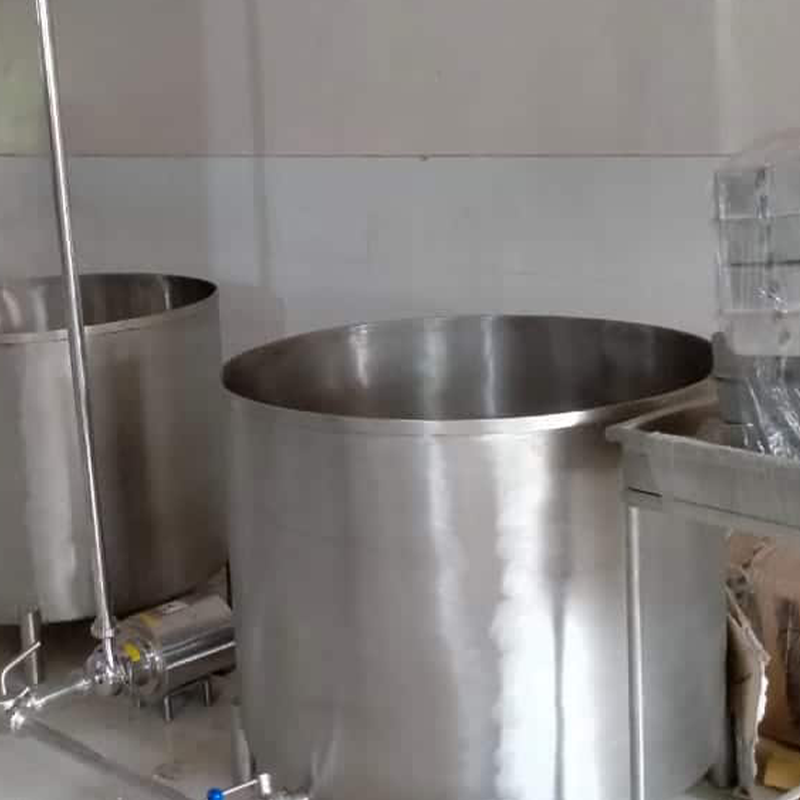
This the equipment is used to convert milk from one state to another. This equipment is used to convert the milk from liquid to solid or semi-solid state. The machine comes with various storage capacities and the corresponding price. Here at NK dairy, we offer high profitability Ghee Plant that is fundamentally used for extraction of ghee from milk. This whole procedure incorporates separation, filtration, clarification, softening and melting of butter. After this cooling process is performed in order to pack the ghee in boxes. Our ghee plant incorporates below-mentioned units such as-:
- Butter Melting unit
- Butter Oil Transfer Pump
- Prestratification Tank
- Transfer Pump
- Ghee Boiler
- Ghee Balance Tank With Filter
- Ghee Settling Tank
- Ghee Clarifier
- Ghee Storage Tank
- Ghee Packing System Let’s see how ghee plants work.
Ghee plant Setup
If you have a big dairy farm then you must go for large scale ghee manufacturing plant. Moreover, if you are leading a small scale ghee plant than, you should fix the small scale ghee manufacturing plant in a covered space. In addition, you have to select the location carefully where you actually want to set ghee milking plant. These are not only factors which you have to consider while installing this plant,

CONTACT DETAILS
- NK Dairy Equipments, 119, Ishopur, Delhi Road, Near Radha Swami Sat Sang Bhawan, Yamuna Nagar, Haryana 135001
- 91-93550-13913
- +91-93551-13913
- info@nkdairyequipments.com
Enquiry Form
FAQ's
What is the recommended temperature range for ghee production?
The recommended temperature for ghee production is 110°- 120°C. The right temperature range facilitates efficient moisture evaporation and the right caramelisation of milk.
What processes are involved when producing ghee using ghee plants?
There are a number of processes involved when producing ghee using the ghee plant which includes cream separation and pasteurisation where the milk is separated into cream and skim milk then afterwards pasteurised, butter churning where the pasteurised milk is churned into butter, the butter is melted in the Vat, Afterwards, the melted butter is heated up to evaporate moisture which is called clarification process. The heated butter is then allowed to rest, which eventually allows it to create three layers; the process is called the pre-statification. Finally, the ghee goes through filtration and separation to remove residue, and then it is left to cool and later on packaged.
What machines are needed for ghee production?
The essential machines needed for ghee production are a cream separator, a butter churner, a melting vat, a ghee clarifier, a pre-stratification tank, storage tanks, a filtration system and a filling and packaging machine. Each of these machines can be found from the best ghee plant supplier in India
What are the safety features added to the ghee plant?
The machine has hygiene and contamination control features such as clean-in-place systems, pest control systems, and enclosed settings. It also has operator safety settings such as emergency stops, protective equipment, and low noise operation. The ghee plant has process and equipment safety, which control temperature, safety valves and insulation.
How does a water-cooling system help in ghee plants?
The water-cooling system is important for providing controlled crystallization to improve the texture, it provides cooling- heating systems to dissipate from hot ghee and it prevents the equipment from overheating.